Elephant Tourism in Thailand: Mahouts, Welfare and Responsible Experiences
Understand the role of mahouts, the welfare needs of captive elephants and how to assess responsible elephant experiences in Thailand.
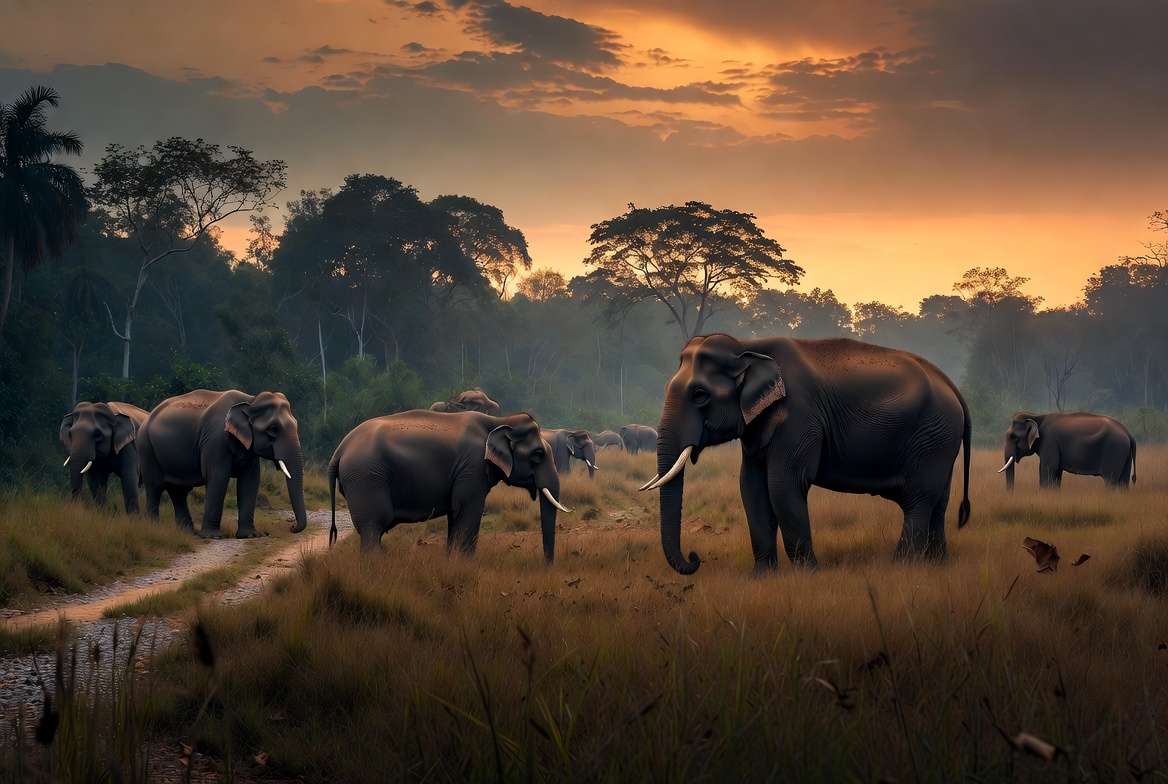
Elephants are closely connected with Thailand’s history, religion and working culture, yet modern tourism has created difficult welfare questions. Visitors are often told that a venue is a sanctuary simply because it uses words such as rescue, retirement or ethical. Those labels do not prove that elephants live well. A responsible decision requires looking past the marketing and asking how the animals spend an ordinary day when tourists are not watching.
The Asian elephant is listed as Endangered by the International Union for Conservation of Nature. Habitat loss, fragmentation and conflict with people remain major threats to wild populations. Captive elephants face a different set of problems, including restricted movement, social isolation and work designed around visitor demand. In 2026, World Animal Protection reported that most elephants assessed in Thailand’s tourism industry were still living in poor or unacceptable conditions. The report also warned that some harmful activities now appear gentler because they are marketed as close-contact care.
Why elephants entered Thailand’s tourism industry
For generations, elephants worked with people in transport, forestry and ceremonial roles. The nationwide logging ban introduced in 1989 removed a major source of work for many captive elephants and mahouts. Tourism became one of the industries able to pay for food, land, veterinary care and human wages. That history explains why simple calls to “release every elephant” are unrealistic. Many captive animals were born around people, may lack the skills or habitat needed for release, and can create serious conflict if placed near farms or settlements.
The practical question is therefore not whether a captive venue looks natural in photographs. It is whether the business provides the best achievable welfare for each animal while reducing forced performance and unnecessary tourist contact. Good welfare is expensive. An adult elephant eats a large amount of vegetation each day, requires water, shade, room to walk and regular veterinary attention. A venue that depends on constant interaction may put visitor schedules ahead of those needs.
Understanding the role of the mahout
A mahout is an elephant handler and caregiver. The relationship can last for years and may include feeding, health checks, movement between areas and management during emergencies. It is wrong to treat all mahouts as abusers. It is equally wrong to assume that tradition automatically guarantees good welfare. Working conditions, training, pay and staff turnover influence how elephants are treated.
Ask whether each elephant has a consistent caregiver, whether staff receive formal welfare and safety training, and whether mahouts have secure employment. Low wages and unstable contracts can make long-term care harder. Responsible venues should explain how handlers manage risk without presenting hooks, chains or restraint as either harmless traditions or automatic proof of cruelty. Limited restraint may sometimes be used for veterinary treatment, transport or public safety. Routine chaining for long periods, wounds, repetitive swaying and obvious fear are different warning signs.
Activities to avoid
Elephant riding places weight and equipment on an animal while often requiring repetitive routes and compliance under pressure. Performances such as painting, football, dancing or tricks exist for people rather than elephant needs. These activities should be avoided.
Bathing and feeding deserve closer scrutiny. They can look caring, but repeated bathing groups may force elephants to remain in water and tolerate touching throughout the day. Hand-feeding can create crowding, competition and a business model built around close contact. A better venue allows visitors to observe elephants choosing where to move, forage, socialise, bathe or rest. Any interaction should be limited, controlled by trained staff and easy for the elephant to leave.
A practical welfare checklist
Space: Elephants should have varied ground, shade, water and enough room to walk away from visitors.
Choice: The programme should not require every elephant to perform the same activity at fixed times.
Social life: Compatible elephants should have opportunities to interact, while animals that need separation should receive appropriate care.
Body condition: Look for untreated wounds, foot problems, severe thinness, pressure marks or repetitive movements.
Transparency: The venue should explain where its elephants came from, how new animals are acquired and what happens after visiting hours.
Visitor numbers: Small groups and observation at a distance are preferable to constant handling and crowded photo sessions.
Veterinary care: Ask who provides treatment, how emergencies are handled and whether individual medical records are maintained.
Questions to ask before paying
Request a timetable and ask how many hours elephants spend around tourists. Find out whether the programme includes riding, bathing, kissing, hugging, painting or staged mud play. Ask whether breeding occurs and, if so, why. A rescue claim should come with a clear explanation of ownership and funding. Buying an elephant from a harmful business can improve that individual animal’s life, but repeated purchases may also keep a market operating. Honest organisations should acknowledge that tension rather than offer a simple rescue story.
Look for independent evidence rather than influencer videos. Read recent reviews carefully, but give more weight to detailed observations than to statements that the animals “looked happy.” Elephant behaviour can be difficult for an untrained visitor to interpret. The IUCN Asian Elephant Specialist Group is a useful starting point for understanding conservation threats, while animal-welfare organisations help explain the risks associated with captive entertainment.
Wild observation is usually the better experience
Seeing wild elephants from a safe distance in protected habitat removes many of the compromises of captive tourism. It also requires patience. Sightings are never guaranteed, and responsible guides will not chase, surround or feed animals. Visitors should remain inside designated vehicles or observation areas, follow ranger instructions and avoid blocking an elephant’s route.
Wildlife tourism does not automatically equal conservation. Too many vehicles, noise and crowding can disturb animals. Choose small groups, licensed guides and operators that obey park rules. Never pressure a guide to move closer for a photograph. The best encounter may be brief, distant and quiet.
How to make a responsible choice
No captive elephant venue is free from compromise. The strongest option is usually a place centred on observation, large living areas, individual care and honest communication. Avoid businesses that promise guaranteed touching, bathing or performances, even when they use sanctuary language.
Your payment shapes demand. Spending money on lower-contact experiences tells operators that visitors value welfare over photographs. Ask difficult questions, accept that responsible viewing may be less dramatic, and remember that an elephant does not owe anyone an intimate encounter. A good visit leaves the animal’s routine largely unchanged and gives you a clearer understanding of the people, costs and conservation challenges involved.