Ethical Elephant Tourism in Thailand: What to Know Before You Book
A practical guide to choosing elephant experiences in Thailand that avoid riding, forced performances and harmful close-contact tourism.
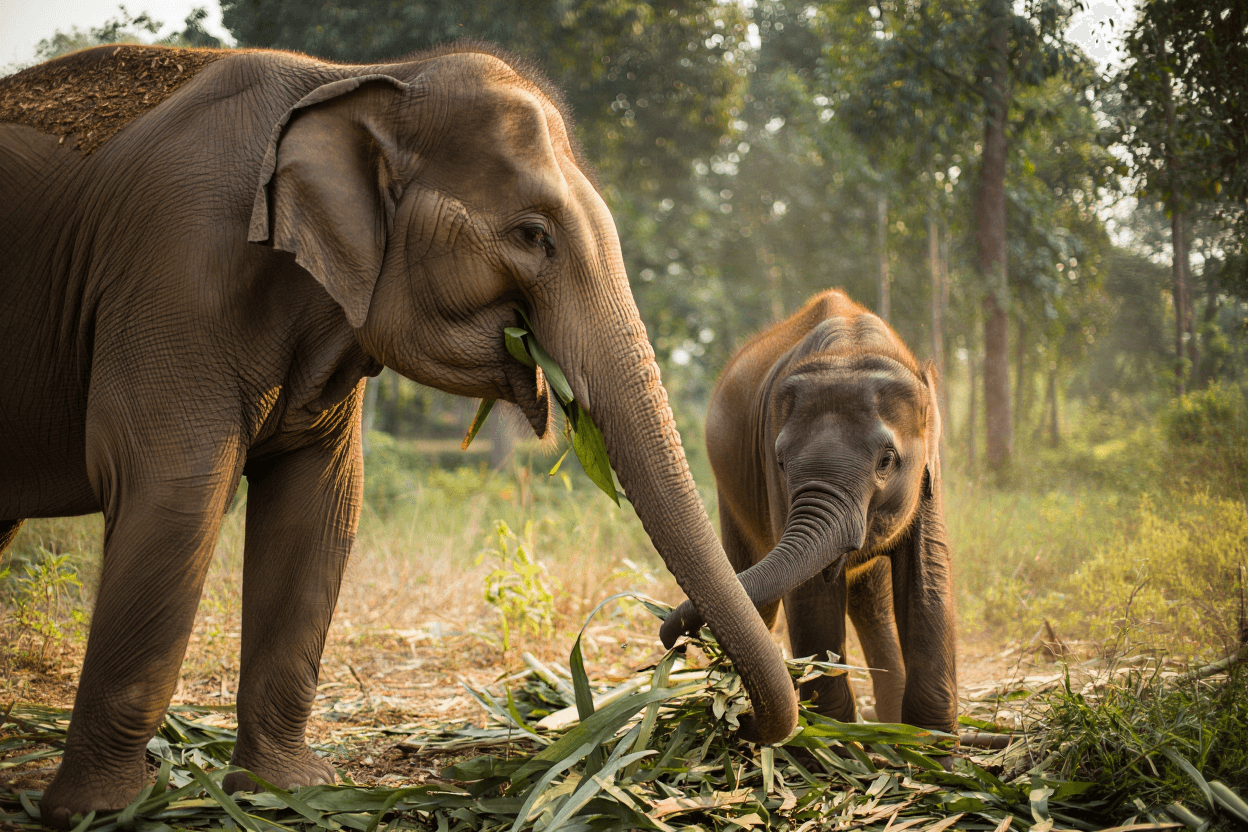
Elephants are one of the main reasons many travelers become interested in Thailand’s nature experiences. That attention can help fund care, rescue work, and habitat protection, but it can also support harmful entertainment if visitors do not ask enough questions before booking. Ethical elephant tourism starts with one simple rule: the animal’s welfare must come before the tourist’s photo, schedule, or comfort.
In Thailand, travelers still see offers for riding, bathing, feeding, chained posing, circus-style shows, and close-contact encounters. Some activities look harmless because they are sold as sanctuary experiences. That does not make them ethical. The main question is not whether the place uses kind language. The question is whether the elephants can behave like elephants, with enough space, social contact, rest, food, shade, and veterinary care.
A strong first check is whether riding is completely banned. Riding usually requires training, control, and repeated human handling. Avoid any venue that sells rides, tricks, painting, football, staged bathing, or forced contact. Also be cautious with programs where tourists line up to wash elephants. World Animal Protection has warned that elephant washing can still involve control, repeated stress, and unnatural routines, even when it is marketed as a caring activity. Their guidance is clear: observation is safer than contact.
The second check is visitor distance. A better elephant experience allows people to watch animals walking, feeding naturally, dust bathing, mud bathing, or interacting with other elephants from a respectful distance. Some facilities may allow limited food preparation or viewing from behind barriers, but the best experiences do not depend on touching the animal. Wildlife Friends Foundation Thailand also advises travelers to avoid disturbing, feeding, or close interaction with wildlife. That same thinking should guide elephant visits.
The third check is transparency. A credible facility should explain where the elephants came from, why they are captive, what the daily routine looks like, how many elephants live there, how many mahouts work with them, and how veterinary care is handled. Vague answers are a warning sign. So are large group sizes, constant visitor turnover, pressure to buy extras, or schedules built around tourist entertainment rather than animal rest.
Price is not a perfect measure. Expensive tours can still be poor, and cheaper community-run projects can sometimes be careful. Look for specific welfare practices instead. Are chains used only for short safety or medical situations, or are they part of daily management? Are calves separated from mothers? Are elephants asked to perform? Can visitors touch them at any time? Is the operator willing to say no to unsafe tourist behavior?
Ethical travel also means accepting limits. You may not get the close photo you imagined. You may see fewer elephants. You may spend more time listening to guides and less time posing. That is not a weaker experience. It is the point. Real care often looks quieter than tourist advertising.
Before booking, read recent reviews critically and ignore comments that focus only on cuteness, selfies, or “amazing interaction.” Search for signs of crowding, hooks, chains, repetitive bathing, or staff rushing animals between groups. If the page promises “no riding” but still sells hugs, bathing, or constant feeding, treat it with caution.
The best approach for Eco Explorer Thailand is simple: choose observation-first elephant experiences, support venues that explain welfare clearly, and reject any activity that turns an elephant into a prop. If you want broader planning advice for nature trips, keep this principle in mind for every animal encounter in Thailand: distance protects both the traveler and the animal.
Finally, accept that no captive elephant experience is perfect. Some elephants cannot safely return to the forest, and some facilities do meaningful care work under difficult conditions. The traveler’s role is to reduce demand for harmful contact and reward better welfare standards.