Thai Temple Etiquette: A Practical Guide for Visitors
Understand appropriate clothing, photography, body language and behaviour when visiting Thailand’s active temples and religious sites.
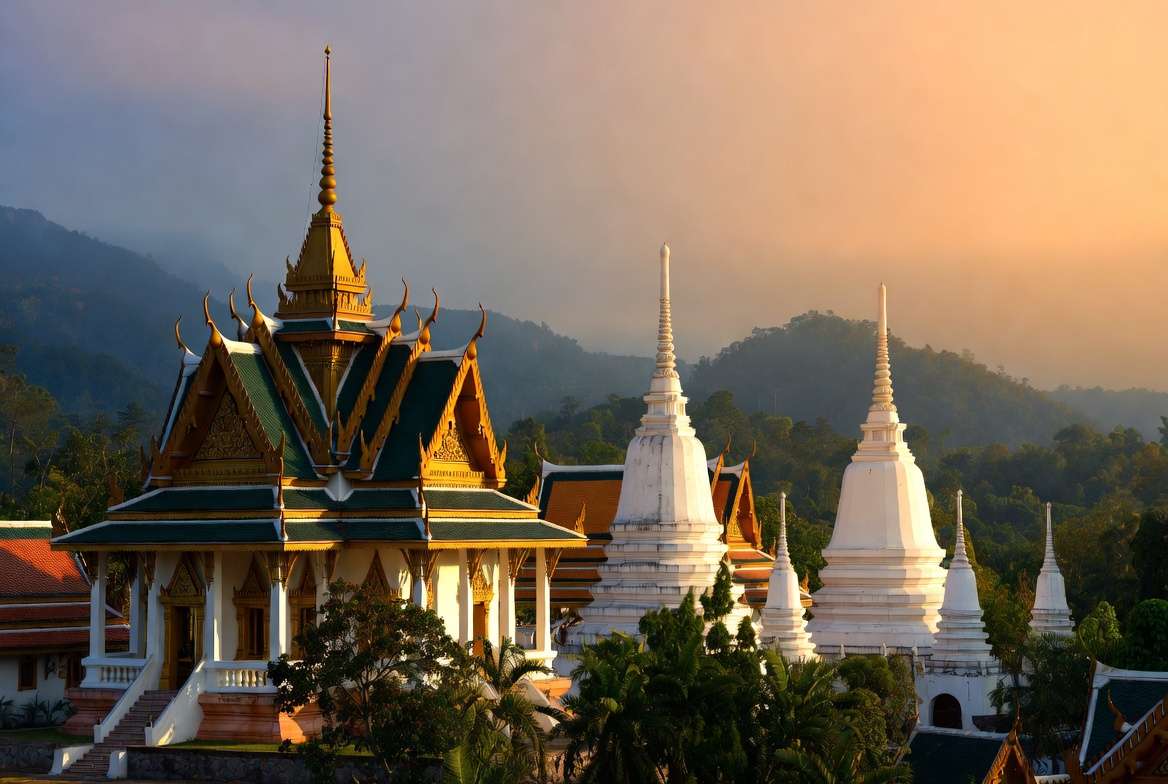
Thailand’s temples are active religious spaces, community centres and historic sites. Some receive large numbers of visitors, but popularity does not turn them into ordinary tourist attractions. Respectful behaviour is mostly straightforward: dress appropriately, move calmly, follow signs and remember that people may be praying while you are taking photographs.
Rules vary by temple. A major Bangkok complex may have formal entrance controls, while a village temple may rely on visitors noticing local customs. When a sign, monk or attendant gives instructions, follow them even if another temple allowed something different. This guide explains common practice rather than claiming that every site works in exactly the same way.
Dress for a place of worship
Cover shoulders and knees. Clothing should not be transparent or designed mainly as beachwear. At high-profile sites, staff may refuse entry or provide wraps, but relying on borrowed clothing creates waste and delays. Carry a lightweight scarf or overshirt and wear trousers, a long skirt or shorts that clearly reach the knee.
Remove hats inside worship halls. Shoes are usually left outside buildings that contain important Buddha images, and signs often indicate the boundary. Wear footwear that is easy to remove without blocking the entrance. Socks can be useful when floors are hot, though some locations may still expect bare feet.
Feet and body position matter
In Thai culture, feet are considered the lowest and least respectful part of the body. Do not point your feet towards a Buddha image, monk or person. When sitting on the floor, tuck your legs to one side or kneel with your feet behind you. Avoid stepping over people, offerings or religious objects.
The head is treated differently and should not be touched without permission. This includes children. Visitors sometimes pat a child’s head in a friendly way, but the gesture can be uncomfortable or disrespectful. A smile and verbal greeting are enough.
Photography: permission before composition
Photography may be allowed in courtyards but restricted inside halls, museums or sacred areas. Look for signs before lifting the camera. Do not use flash around murals, old objects or worshippers. Avoid photographing monks at close range during prayer, meals or private conversations.
A person wearing distinctive clothing is not public property. Ask before photographing monks, novices, vendors, worshippers and children. If permission is refused, accept it without negotiation. Do not stage poses that imitate religious rituals or climb structures to improve an angle.
How to behave around Buddha images
Buddha images are sacred objects, regardless of age, size or condition. Do not touch, sit on, lean against or climb them. Avoid novelty poses, kissing gestures or photographs that place your feet beside an image. Some temples restrict photography of particular statues even when the room itself can be photographed.
Thailand regulates the export of certain Buddha images and antiques. If you buy religious art, use a reputable seller and check current requirements before taking it out of the country. Treating sacred objects as casual décor can also be culturally insensitive, even when the object is newly made.
Monks and gender-related customs
Theravada Buddhist monastic rules affect physical contact and the passing of objects. Women should generally avoid touching monks or handing items directly to them. An object may be placed on a cloth, table or other surface. Men should also avoid casual physical contact unless clearly invited.
Do not assume every person in robes wants to practise English, pose for a photograph or discuss spiritual questions. Monk-chat programmes exist at some temples and provide a suitable setting for conversation. Use the arrangement offered by the temple rather than approaching someone during duties.
Donations and commercial pressure
Many temples accept donations for maintenance and community activities. Use official boxes or counters when possible. A donation is voluntary unless it is part of a clearly stated entrance fee. Be cautious with people outside popular temples who claim the site is closed, insist on a special tour or direct you to shops.
Buying flowers, incense or offerings can support vendors, but do not create excessive smoke or waste. Some sites limit incense for air quality and fire safety. Follow local practice rather than assuming more offerings show more respect.
Temple visits during ceremonies
If a ceremony is taking place, stand back and observe quietly. Do not cross between worshippers and the main image. Silence your phone and keep conversations low. Funeral rites, ordinations and merit-making events may occur during normal opening hours; they are not performances arranged for visitors.
During festivals, temple grounds can become busy with food stalls and community activities. The atmosphere may be lively, but sacred buildings still require careful behaviour. Even during a festival, visitors should separate lively public areas from spaces reserved for worship.
Small actions that reduce impact
Carry a reusable water bottle where refill stations are available, but do not bring open food into worship halls.
Use bins and take difficult waste away rather than leaving it beside an overflowing container.
Avoid feeding temple animals unless the temple has a managed programme.
Do not use drones without explicit permission and compliance with Thai aviation rules.
Choose a licensed local guide when historical context would improve the visit.
Learning more than a dress code
Etiquette is not a list designed to catch visitors making mistakes. It is a way to share a space where religious life continues. The Tourism Authority of Thailand provides practical cultural information, and UNESCO’s pages on Thai heritage can help explain why major sites require careful management.
When unsure, pause and watch what respectful local visitors do. Keep your body language calm, ask before taking photographs and accept restricted access. A temple visit becomes more meaningful when the goal is understanding rather than collecting images. The basic rule is simple: behave as a guest in a place that matters deeply to the people using it.