Thailand Green Season: A Responsible Travel Guide
Plan a rewarding green-season trip while accounting for heavy rain, rough seas, transport disruption, park closures and changing local conditions.
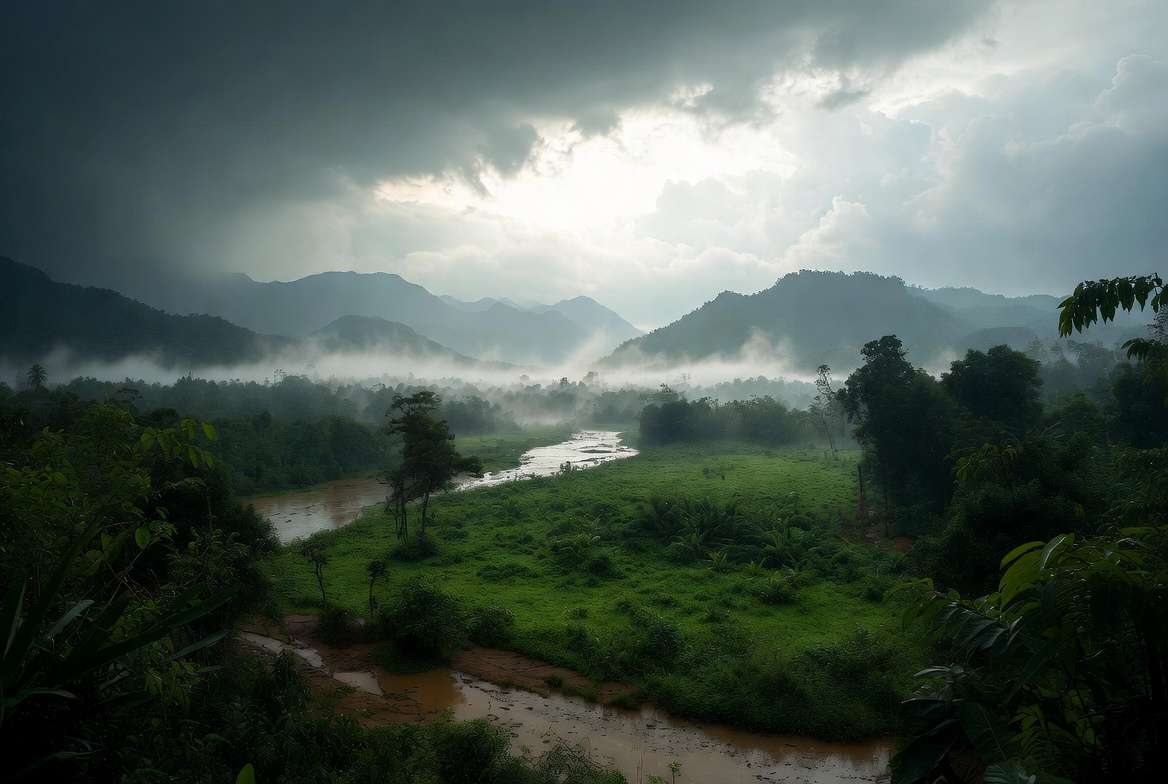
Thailand’s rainy period is often sold as a cheap alternative to the dry season. That description misses its real character. Forests become intensely green, waterfalls strengthen, farms are active and popular places can feel less crowded. Rain also brings genuine hazards: rough seas, flash floods, landslides, transport delays and temporary park closures. Responsible green-season travel means enjoying the benefits without treating weather warnings as an inconvenience to be ignored.
Conditions differ sharply by region and week. The southwest monsoon usually affects much of the country and the Andaman coast during the middle part of the year, while parts of the Gulf coast can have a later wet period. Climate patterns are not fixed calendars. Before each journey, check the Thai Meteorological Department, local park announcements and advice from accommodation providers who understand nearby roads, rivers and boat routes.
What the green season actually feels like
Rain does not necessarily fall all day. Many destinations experience hot, humid mornings followed by heavy showers or thunderstorms. Other days can bring prolonged rain. Mountain weather may change faster, and coastal winds can make sea conditions unsafe even when the beach itself looks calm. Build a plan around flexibility rather than expecting a predictable daily shower at the same hour.
The Tourism Authority of Thailand uses the term “Green Season” for travel during wetter months and highlights landscapes that become especially lush. This can spread visitor spending beyond the busiest period, but it should not encourage people to enter closed caves, waterfalls or marine areas. Closures allow ecosystems to recover and protect visitors when currents, waves or trails become dangerous.
Choose regions with care
Do not plan the whole country as if it has one weather system. Northern provinces can offer vivid rice terraces and forest scenery, but mountain roads and trekking routes may be affected by flooding or landslides. Bangkok and central Thailand remain practical for museums, temples, food markets and rail travel, although intense downpours can disrupt streets. On the Andaman side, boat services may be reduced and some small islands become difficult to reach. Gulf islands can have different patterns, but they are not weather-proof.
A sensible itinerary includes at least one inland alternative for every sea-dependent day. If a boat operator cancels, accept the decision. Companies willing to lose a day’s revenue for safety are preferable to those promising departure in all conditions.
Pack for water, heat and uncertainty
Carry a lightweight rain jacket or poncho, but choose breathable clothing because humidity remains high.
Use quick-drying shoes with grip rather than smooth sandals on wet trails and temple steps.
Protect passports, medicines and electronics in reusable waterproof bags.
Bring insect repellent and follow current public-health advice for the areas you will visit.
Keep a refillable bottle, while checking that the refill source provides safe drinking water.
Download offline maps and store the address of your accommodation in Thai.
Avoid buying disposable rain ponchos, shoe covers and plastic phone sleeves at every stop. One durable set is more useful and creates less waste. Pack light enough to move easily when trains or ferries change.
Stay safe around waterfalls and rivers
Waterfalls can become powerful after rain. A shallow crossing in the morning may be unsafe later, and clear weather at your location does not mean there has been no rain upstream. Follow barriers and ranger instructions. Do not climb wet rock beside falls for photographs, and never enter a cave or river route that local authorities have closed.
Flash floods can develop quickly in narrow valleys. If water rises, changes colour or carries debris, move to higher ground without waiting. The same caution applies to road travel. Ask whether a route is open before leaving, especially in mountain districts. Avoid pressuring a driver to continue through deep water.
Plan lower-impact indoor days
Rainy days are useful for experiences that direct money to local businesses: cooking classes with small operators, craft workshops, museums, community cafés and covered markets. Choose activities that explain local culture rather than using people as scenery. Temples remain valuable places to visit, but wet clothing does not remove the need for respectful dress.
Long-distance trains can be a practical alternative to repeated flights, although delays are possible. Keep connection times generous. The official State Railway of Thailand timetable and booking systems are the best places to confirm services. For lower-impact route planning, compare official rail, coach and ferry options before booking each transfer.
Travel insurance and flexible bookings
Read insurance exclusions rather than assuming every weather-related change is covered. Some policies distinguish between a cancelled operator service, a government warning and a traveller who decides not to go. Keep records of official closure notices and receipts. Choose accommodation with clear change terms, especially on islands reached by limited ferries.
Do not build a tightly connected itinerary with non-refundable bookings every day. Two or three nights in each place gives weather time to change and reduces the pressure to take unsafe transport. Slower travel also directs more spending into one community rather than moving immediately after a single attraction.
Respect seasonal closures
A closed park, trail or bay is not a challenge to bypass. Seasonal closures may protect nesting wildlife, damaged coral, breeding areas or saturated paths. Entering through an unofficial route can place rescuers at risk and undermine restoration work. Check the Department of National Parks, Wildlife and Plant Conservation and the relevant park’s official channels shortly before arrival.
Responsible operators will explain alternatives without pretending that access is guaranteed. They should also provide life jackets, weather briefings and realistic cancellation policies. A low price is not a good deal if equipment is poor or the operator ignores warnings.
Why travelling in the rainy season can help
When managed well, off-peak travel can reduce extreme crowding and provide steadier income for guides, restaurants and small hotels. It can also offer a better understanding of agricultural landscapes and the seasonal rhythms that shape everyday life. Those benefits depend on visitors adapting to the season instead of demanding dry-season activities in unsafe conditions.
Approach the green season with spare time, regional weather checks and a willingness to change plans. The reward is not guaranteed sunshine. It is a quieter, greener version of Thailand and a style of travel that pays attention to what the land, sea and local authorities are telling you.