Khao Sok National Park: A Responsible Visitor Guide
A practical guide to Cheow Lan Lake, rainforest trails, caves, wildlife etiquette, accommodation and responsible tour operators in Khao Sok.
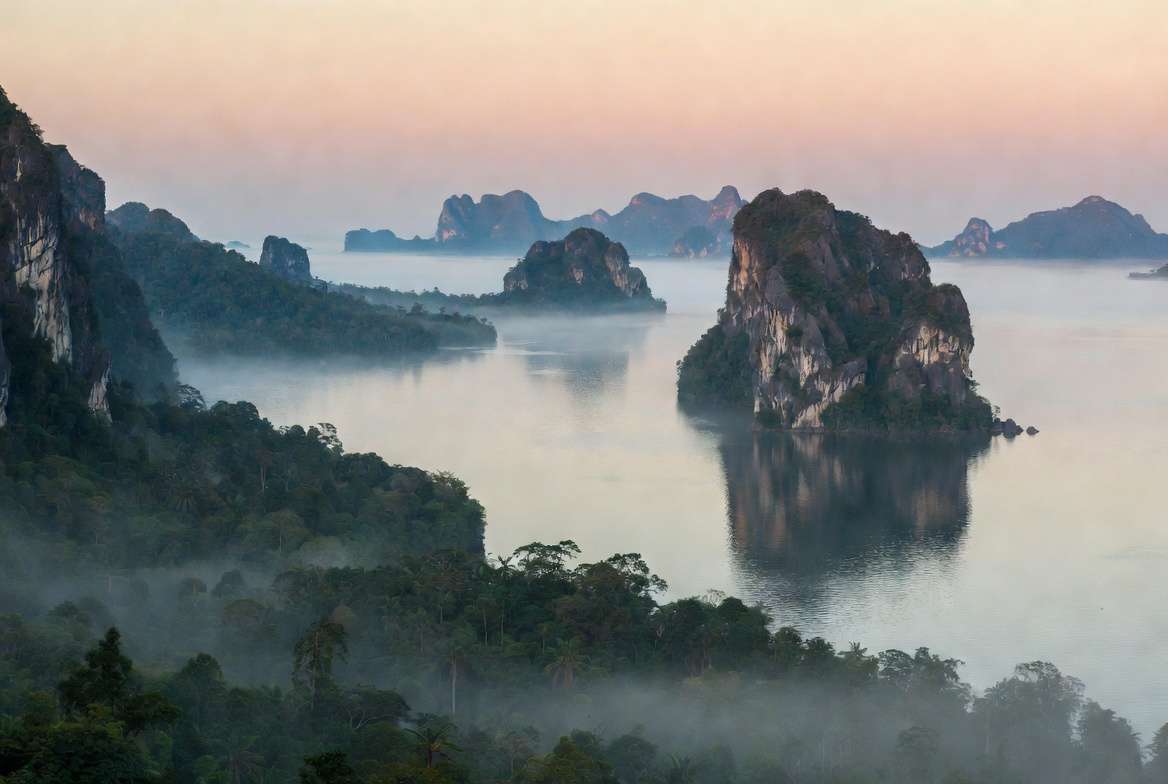
Khao Sok is known for limestone cliffs, dense rainforest, caves and Cheow Lan Lake. The scenery can make the area look untouched, yet every boat trip, trail walk and overnight stay has an impact. A responsible visit is not about avoiding the park. It is about choosing licensed services, respecting closures and understanding that wildlife sightings are uncertain.
Late August is wet in Surat Thani and surrounding areas. Rain strengthens streams and deepens the forest colours, but it can also close caves, raise water levels and make trails slippery. Check the Thai Meteorological Department and current announcements from Thailand’s Department of National Parks, Wildlife and Plant Conservation before setting out. Advice from a booking platform written months earlier is not a substitute for a same-day safety decision.
Two different Khao Sok experiences
Visitors often use “Khao Sok” to mean both the village-side national park area and Cheow Lan Lake. The village side is the usual base for trails, river activities and access to park headquarters. The lake, created by Ratchaprapha Dam, is reached from a separate pier and involves boat transport. Travel time between the two should be included in your plan.
Trying to combine every activity in one day creates rushed transport and encourages operators to keep going in poor weather. Stay long enough to separate a forest day from a lake day. This supports local businesses and gives you room to adapt if a route closes.
Choose guides and boats carefully
Use licensed guides where required and ask how group size is managed. A good guide gives a safety briefing, explains what can realistically be seen and prevents guests from feeding or approaching wildlife. Be cautious when an operator guarantees elephants, gibbons or rare birds. Wild animals move according to food, weather and disturbance, not a tour schedule.
For lake trips, confirm that life jackets are available in suitable sizes and that the driver will cancel or adjust the route if conditions become unsafe. Boats should slow near floating accommodation and sensitive shorelines. Loud music and unnecessary circling reduce the quality of the experience for wildlife and other visitors.
Caves require special caution
Cave routes can become dangerous during heavy rain because water may rise far from where rain is falling. Never enter a closed cave or follow an unofficial guide around a barrier. Some caves require swimming or moving through confined spaces, which is unsuitable for people with certain health conditions or limited confidence in water.
Ask exactly what the route involves before paying. “Easy” is subjective. You need to know the walking distance, water depth, footwear requirements and exit options. If a guide changes the plan because of rain, treat that as evidence of professionalism rather than a failure to deliver.
Wildlife watching without interference
Khao Sok supports a wide range of wildlife, but dense forest makes many animals difficult to see. Listen for calls, look for tracks and appreciate insects, plants and smaller species rather than treating elephants as the only successful sighting. Do not use food, flash photography or playback calls to force an encounter.
If elephants are seen near roads or water, keep a substantial distance and follow ranger instructions. Never stand between animals and the forest, and do not block a herd’s route. The same basic rule applies in every protected area: the animal controls the encounter.
Floating accommodation and waste
Lake stays range from simple raft houses to more comfortable properties. Ask how sewage, food waste and rubbish are managed. A beautiful solar panel does not answer what happens to wastewater. Responsible operators should be able to explain their systems without vague claims.
Bring refillable toiletries in small containers and avoid products likely to enter the lake. Do not throw food scraps into the water. Carry batteries and difficult waste back to the mainland rather than assuming remote accommodation can recycle them.
Trails, plants and the famous flower problem
The region is associated with Rafflesia, a parasitic plant known for its very large flower. Flowering is seasonal and unpredictable. Do not leave marked routes, touch buds or crowd a site for photographs. Guides should manage viewing so the surrounding vegetation is not trampled. A failed search is preferable to damaging the habitat.
On ordinary trails, walk through mud rather than widening the path. Keep food sealed and take all litter out. Leeches are part of the ecosystem; use socks or gaiters if they concern you, but avoid spraying chemicals broadly across the forest floor.
River activities and animal attractions
Canoeing or rafting can be low-noise ways to experience the landscape when water conditions are suitable. Choose operators that provide safety equipment and do not feed monkeys to attract them to the riverbank. Feeding changes behaviour and can increase conflict.
Some packages combine Khao Sok with captive elephant bathing or riding. These are separate commercial attractions, not a requirement for visiting the national park. Review welfare practices carefully and favour observation-based experiences.
A practical three-night approach
First night: Arrive in the village area, check weather and confirm the following day’s route.
Second day: Take a guided forest or river activity suited to conditions, leaving time for rest rather than adding a distant attraction.
Third day: Travel to Cheow Lan Lake for a day trip or overnight stay with a licensed operator.
Final morning: Keep the schedule flexible for weather changes and onward transport.
This is not the only possible plan, but it reduces rushed transfers and makes cancellation easier. In the rainy season, read our green-season planning guide and avoid tight same-day flight connections after boat travel.
Leave with a better measure of success
Khao Sok is not a theme park where every advertised feature should appear on demand. Success can mean a safe route, a skilled local guide, quiet time on the water and a better understanding of tropical forest. Support operators that follow closures, control group behaviour and explain their environmental systems clearly.
The park will remain impressive without close wildlife photographs or entry into a closed cave. Your responsibility is to let safety and conservation set the limits. Those limits are part of visiting a protected area, not obstacles to getting your money’s worth.