Low-Impact Transport in Thailand: Trains, Buses, Ferries and Local Travel
Compare Thailand’s trains, coaches, ferries and local transport options while building a practical itinerary with fewer unnecessary flights and transfers.
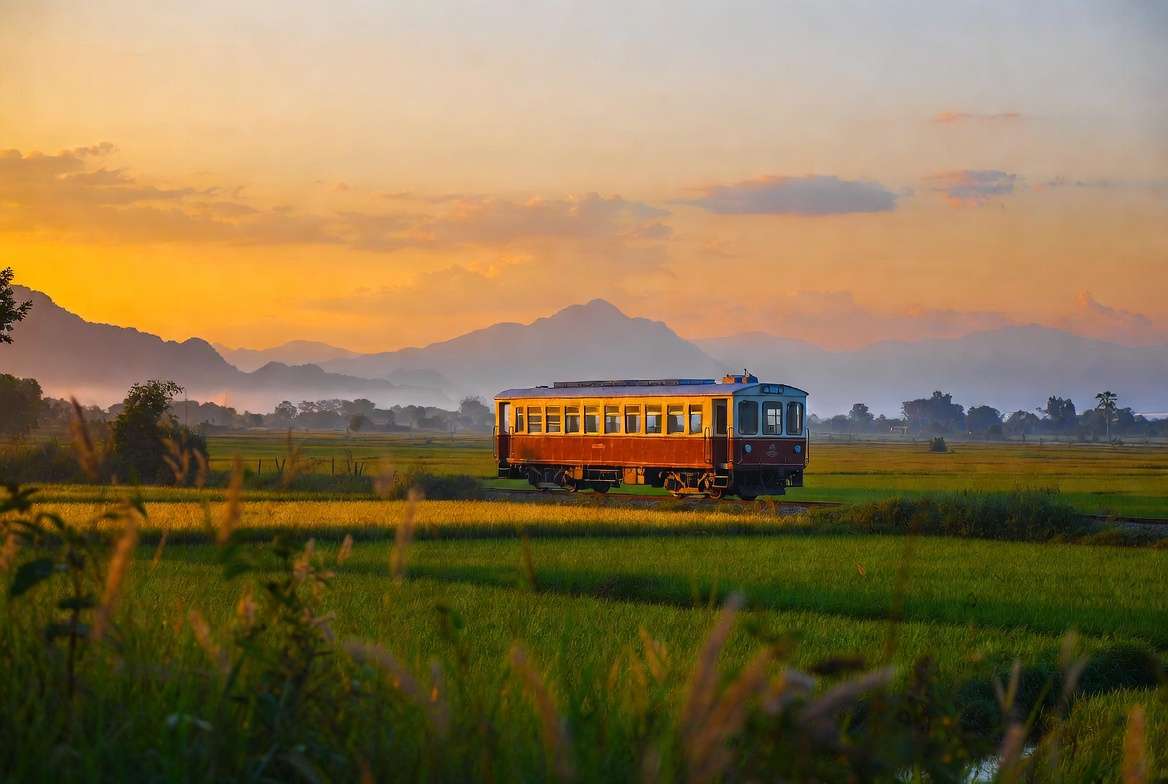
Thailand is large enough that transport choices shape both the environmental footprint and the quality of a trip. Domestic flights save time over long distances, but a route built entirely around airports can mean more emissions, rushed stays and little spending between major hubs. Trains, coaches, shared vans, ferries and local public transport often create a slower but more connected itinerary.
No transport mode is impact-free. The practical goal is to reduce unnecessary high-impact journeys, use shared services where they are safe and reliable, and stay longer in each place. Always confirm current schedules with operators. For rail travel, use the official State Railway of Thailand timetable and official ticketing channels.
Build the route before booking accommodation
Many inefficient itineraries begin with a list of attractions rather than a map. Bangkok, Chiang Mai, Krabi and Koh Samui may all sound essential, but connecting them in a short trip can require repeated flights and transfers. Group destinations by region and choose fewer bases.
A good rule is to calculate the full door-to-door journey. A one-hour flight may require travel to the airport, early arrival, security, baggage collection and another transfer. An overnight train can replace a hotel night and arrive closer to the city centre. It is not always faster, but the comparison is more balanced than flight time alone.
When trains work best
Thailand’s rail network connects Bangkok with northern, northeastern and southern routes. Trains are useful for journeys such as Bangkok to Ayutthaya, Chiang Mai or southern gateway towns. Service classes range from basic seats to air-conditioned sleepers. Book popular overnight services early during holidays and the cool season.
Bring a light layer for air-conditioned carriages, secure valuables and keep noise low at night. Choose food with limited packaging where possible and refill water before boarding if a safe source is available. Delays can occur, so avoid tight onward ferry or flight connections.
Long-distance buses and shared vans
Coaches reach many places not served by rail. Use established terminals and reputable operators, and choose vehicles with seat belts. Overnight buses save time but vary in comfort and safety. If the schedule leaves you exhausted, a daytime service and an extra night may be the more responsible choice.
Shared vans are common on shorter regional routes. They can be efficient when full but may have limited luggage space and variable driving standards. Do not pressure a driver to speed because you are late. Keep aisles clear and avoid carrying oversized bags that block exits.
Ferries, speedboats and island transfers
Scheduled ferries usually carry more passengers per journey than private speedboats. Choose the least intensive service that fits the route and weather. Confirm life jackets, departure conditions and luggage rules. During rough weather, accept delays or cancellations.
Private boat trips can create noise, fuel use and wildlife disturbance. Share transfers, combine nearby stops and avoid operators that chase dolphins, feed fish or anchor on coral. The green-season safety principles in our rainy-season travel guide are especially relevant to sea journeys.
Moving around Bangkok
Bangkok’s rail systems, public buses and river boats can reduce dependence on private cars. The BTS Skytrain and MRT cover many central areas, while boats can be useful along the Chao Phraya River and some canals. Walking is practical within districts but can be uncomfortable in heat and traffic, so plan shorter sections.
Taxis and ride-hailing services remain useful late at night, with luggage or where public transport is limited. Combine errands and use legal pickup points. A lower-impact plan still needs to be safe and accessible.
Local travel in smaller destinations
Songthaews, tuk-tuks, local buses and motorcycle taxis operate differently by town. Ask your accommodation about typical routes and fares. Agree on a price before a private journey when meters are not used. Shared songthaews can be efficient, but waiting and routing may be unfamiliar.
Motorbike rental is not a sustainability shortcut. It carries serious safety risks for inexperienced riders, and insurance may be invalid without the correct licence and helmet. Walking, cycling and shared transport are better only when infrastructure and conditions make them safe.
Transport choices for accessibility
Low-impact travel must not exclude people with mobility, sensory or health needs. Some stations, boats and older vehicles have steps, narrow access and limited assistance. Contact operators in advance and allow extra time. A private transfer may be necessary and responsible when it provides safe access.
Do not judge another traveller’s transport choice without knowing their needs. Focus on reducing avoidable journeys within your own plan.
A simple planning hierarchy
Remove destinations that require a major detour for a short visit.
Use rail for suitable intercity routes.
Use reputable scheduled coaches where rail does not go.
Choose shared ferries and transfers.
Walk, cycle or use public transport locally when safe.
Use private vehicles for access, safety or time-critical gaps rather than by default.
Stay longer and travel less often
The largest improvement may come from reducing the number of moves. Four nights in one province can support restaurants, guides and shops while cutting transfers. It also gives you time to understand neighbourhoods beyond the main attraction.
Low-impact transport is not a competition to complete Thailand without ever entering a car or plane. It is a planning method: compare full journeys, choose shared systems, avoid unsafe connections and make distance visible before you book. A slower route often produces a better trip as well as a smaller transport footprint.