Responsible Snorkelling and Diving in Thailand
Protect reefs by choosing responsible operators, maintaining distance from marine life and avoiding anchors, coral contact and harmful tourist activities.
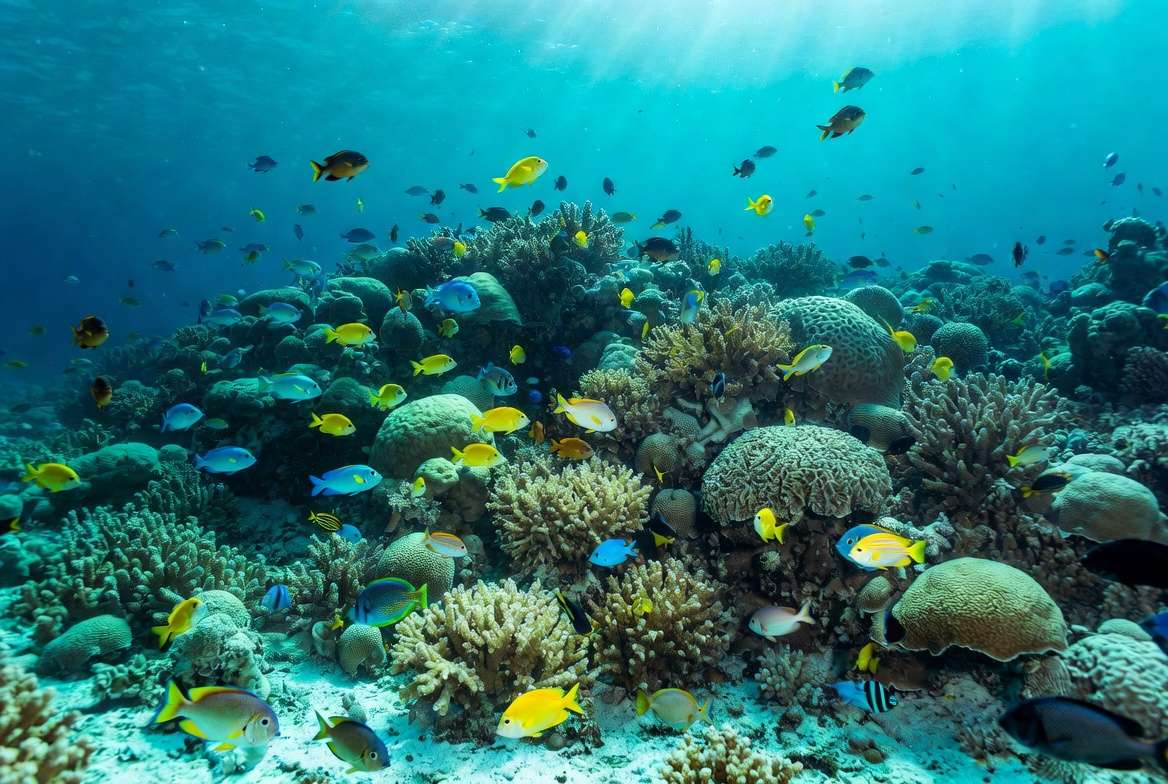
Thailand’s reefs support marine life, tourism jobs and coastal communities, but they face pressure from warming seas, pollution, anchors, careless contact and intense visitor use. A responsible snorkelling or diving trip begins with operator choice and continues with how you behave in the water. Good intentions do not protect coral if fins still strike the reef.
Conditions vary between the Andaman Sea and the Gulf of Thailand. October can be transitional, with weather, currents and visibility changing by coast. Check official forecasts and accept cancellations. The Green Fins initiative, coordinated internationally by The Reef-World Foundation with the UN Environment Programme, provides practical standards for reducing tourism damage to coral reefs.
Choose an operator before choosing a price
Ask about group size, guide-to-guest ratios, safety equipment and environmental briefings. A low-cost trip may place many inexperienced snorkellers in the water with limited supervision. Smaller groups make it easier to prevent coral contact and respond to fatigue or panic.
Green Fins members commit to environmental practices, though membership level and current status should be verified. If an operator is not a member, ask whether staff prohibit feeding, touching, collecting and anchoring on coral. The answer should be specific rather than a general promise to “respect nature.”
Do not stand on coral
Coral is made by living animals and can be broken by feet, knees or fins. Standing is not made safe by wearing reef shoes. If you need to rest, float on your back, use a flotation device or move to a sandy area identified by the guide. Never hold coral for balance.
Practise mask and breathing skills in shallow water away from the reef. New snorkellers should use a properly fitted vest and remain with a guide. Strong swimmers can still damage coral when currents or waves push them into shallow structures.
Control fins, buoyancy and equipment
Divers should be able to maintain neutral buoyancy before entering a fragile site. Secure gauges, alternate air sources and cameras so they do not drag. Keep a horizontal position and use gentle kicks in silty areas. Stirred sediment can reduce visibility and settle on coral.
Photographers sometimes focus so closely on a subject that they hit the reef behind them. Take fewer images, maintain distance and never move marine life into a better position. A guide should stop harmful behaviour even when the guest is experienced or carrying expensive equipment.
Wildlife interactions have limits
Do not touch turtles, rays, seahorses, sharks or other animals. Do not chase an animal that swims away. Feeding fish changes behaviour and can concentrate species unnaturally around boats. Bread and processed food are not appropriate marine diets.
Whale sharks and turtles need space to surface and move. Stay out of their path, avoid surrounding them and follow local limits. An encounter should end when the animal shows avoidance behaviour or the group becomes crowded.
Boats can damage reefs before guests enter the water
Ask whether the operator uses mooring buoys instead of dropping anchors on reef. Engines should be off when swimmers are close, and propeller areas must remain controlled. Fuel, sewage and rubbish should never be discharged at a site.
Shared scheduled boats can reduce journeys, but overcrowding creates its own safety and environmental problems. Look for realistic capacity, functioning life jackets and staff who count guests in and out of the water.
Sunscreen and reef claims
No sunscreen should be treated as harmless simply because the label says reef-safe. Formulations and evidence vary, and marketing terms may be unregulated. The most reliable protection is physical: a long-sleeved rash vest, shade, a hat on the boat and avoiding unnecessary midday exposure. Apply any sunscreen well before entering the water and use only as much as needed.
Do not buy single-use sachets for every trip. Bring a refillable bottle and avoid aerosol sprays that can spread onto decks and surrounding water.
Take nothing and leave no food
Do not collect shells, coral fragments or sand.
Do not buy souvenirs made from coral, shells or protected wildlife.
Secure plastic, cigarette ends and food packaging on the boat.
Never throw fruit peel or leftovers into the sea.
Report lost fishing gear or major debris to the operator rather than attempting a dangerous removal.
Respect closures and carrying limits
Marine parks may close sites because of weather, seasonal management or ecological damage. A closure is not evidence that a secret alternative should be found. Do not book operators that promise access through unofficial routes. Check announcements from the Department of National Parks, Wildlife and Plant Conservation.
During unsettled weather, use the planning principles in our Thailand green-season guide. Rough conditions can turn a routine snorkel into a rescue situation. Cancelling is sometimes the most responsible environmental and safety decision.
Beginners can be responsible visitors
Lack of experience is not the problem; lack of instruction is. Choose a proper introduction, practise away from coral and tell the guide honestly about swimming ability. Do not join an advanced site because friends are going. A skilled operator will match the location to the least experienced person in the group.
Responsible marine tourism does not require a perfect dive or rare sighting. It requires controlled movement, distance from wildlife and respect for the site’s limits. Choose operators willing to brief, supervise and cancel. The reef should look the same after your group leaves, except for the bubbles rising to the surface.