Responsible Trekking in Northern Thailand
Learn how to select responsible trekking routes, qualified local guides and community visits while reducing waste and pressure on mountain environments.
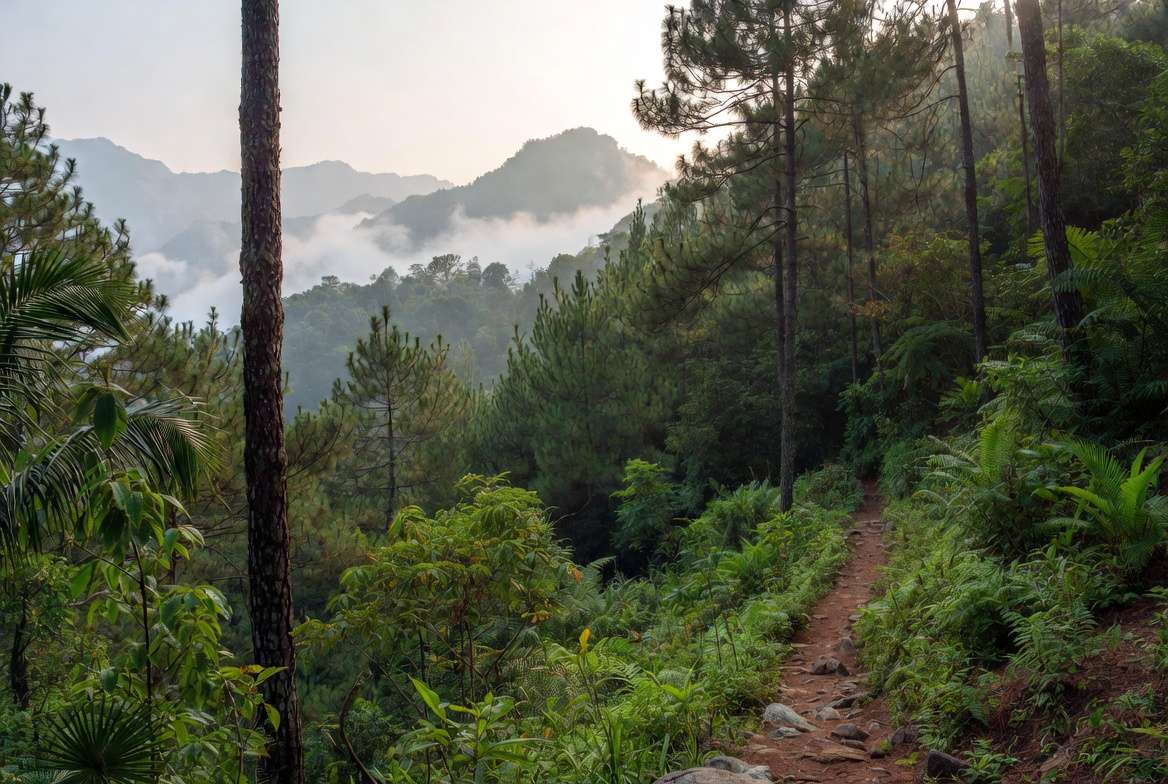
Northern Thailand offers forest paths, mountain viewpoints, farming valleys and village routes that can make trekking one of the most rewarding parts of a trip. It can also create problems when poorly trained guides lead visitors onto unsafe trails, groups leave waste, or villages become staged stops designed around photographs. Responsible trekking begins before the first step: choose the route, season and operator with the same care you would use for technical equipment.
August falls within the wet period in much of northern Thailand. Trails may be muddy, rivers higher and mountain weather unstable. Review current forecasts from the Thai Meteorological Department and ask local guides about conditions on the exact route. General weather apps cannot tell you whether a bridge has washed out or a hillside is unstable.
Start with the purpose of the trek
Decide what you want to learn or experience. A forest walk focused on plants and birds requires a different guide from a strenuous summit route. A village-based trek should explain how host communities participate and benefit. Avoid itineraries that promise a checklist of “tribes,” animal encounters and waterfalls in a single rushed day. That format often treats places and people as products rather than building understanding.
Ask who designed the route, who owns the business and how fees are divided. Local ownership is not the only sign of quality, but transparent payment matters. A reputable operator should describe group size, guide qualifications, insurance, emergency plans and what happens if weather changes.
Wet-season risk is more than getting soaked
Heavy rain can reduce visibility, loosen soil and turn a minor stream into a dangerous crossing. Leeches and insects may be more active, but they are usually a smaller concern than slips, heat stress and poor decisions near fast water. Do not accept a guide who dismisses official warnings or encourages the group to continue because the tour was prepaid.
Use footwear with proper tread. Carry water, electrolytes, a small first-aid kit, sun protection and a dry layer. Cotton can stay wet for hours, so quick-drying clothing is more practical. Put phones, passports and medicines in waterproof pouches. If your trip includes an overnight stay, confirm that bedding and mosquito protection are provided rather than buying disposable supplies on arrival.
How to assess a trekking guide
Route knowledge: The guide should know alternatives, water levels, exit points and local land-use rules.
Communication: You should receive a clear briefing on distance, ascent, terrain and expected pace.
Group management: Small groups reduce erosion, noise and the risk of people becoming separated.
Emergency readiness: Ask about first-aid training, phone coverage and evacuation procedures.
Community relationships: Overnight visits should be arranged with consent and predictable payment.
Environmental conduct: The guide should carry waste out and stop guests from feeding wildlife or collecting plants.
Village visits require consent
A village is not an open-air museum. Ask before photographing people, homes, ceremonies or children. Buying a ticket does not create automatic permission. Avoid giving sweets, school supplies or cash directly to children, which can encourage begging and bypass community decisions. When gifts are appropriate, arrange them through hosts or a local organisation that understands current needs.
Choose meals, crafts and accommodation offered by residents at agreed prices. Do not bargain aggressively over small sums while paying a large fee to an outside tour company. At the same time, avoid assuming that every handmade-looking item was produced locally. Ask where products come from and who receives the income.
Reduce damage on the trail
Walk on the established path, even when it is muddy. Cutting around puddles widens trails and damages vegetation. Do not carve trees, stack stones, pick orchids or remove natural objects. Carry all packaging, tissues and food scraps out. Fruit peel is biodegradable, but it is still waste and can alter animal behaviour.
Keep voices low near wildlife. A sighting is not an invitation to leave the trail or surround an animal. Never ask a guide to lure wildlife with food or recorded calls. The same rule applies to dogs belonging to villages: do not encourage them to follow a group into protected habitat.
Avoid elephant trekking
Some northern itineraries still combine walking with elephant riding, bathing or performances. These activities should not be treated as a normal extension of a trek. Choose observation-led alternatives and review the welfare questions explained in our guide to elephant tourism in Thailand. A company’s use of the word sanctuary does not guarantee good conditions.
Fire, smoke and seasonal timing
The north has very different conditions later in the dry season, when heat, vegetation fires and air pollution can affect travel. August’s concern is usually rain rather than smoke, but future trips should still be planned around local conditions rather than fixed assumptions. There is no single “best month” for every route. Forest type, altitude, access roads and agricultural cycles all matter.
The Tourism Authority of Thailand provides regional destination information, while park and weather authorities provide the operational details that should guide final decisions. Confirm conditions again within a day of departure.
Choose depth over distance
A responsible trek does not need to cover the most kilometres or visit the most villages. A shorter route with a knowledgeable guide can reveal how forests are used, how crops change with elevation and why water management matters. It also leaves time to listen rather than simply pass through.
During the green season, flexibility is part of the experience. Read our responsible green-season guide, accept route changes and pay for local expertise rather than a guaranteed photograph. The best trekking memories often come from understanding a place well enough to recognise why turning back was the right decision.