Thailand National Parks: A Responsible Travel Guide
How to visit Thailand’s national parks with better planning, lower impact and greater respect for wildlife, trails and seasonal closures.
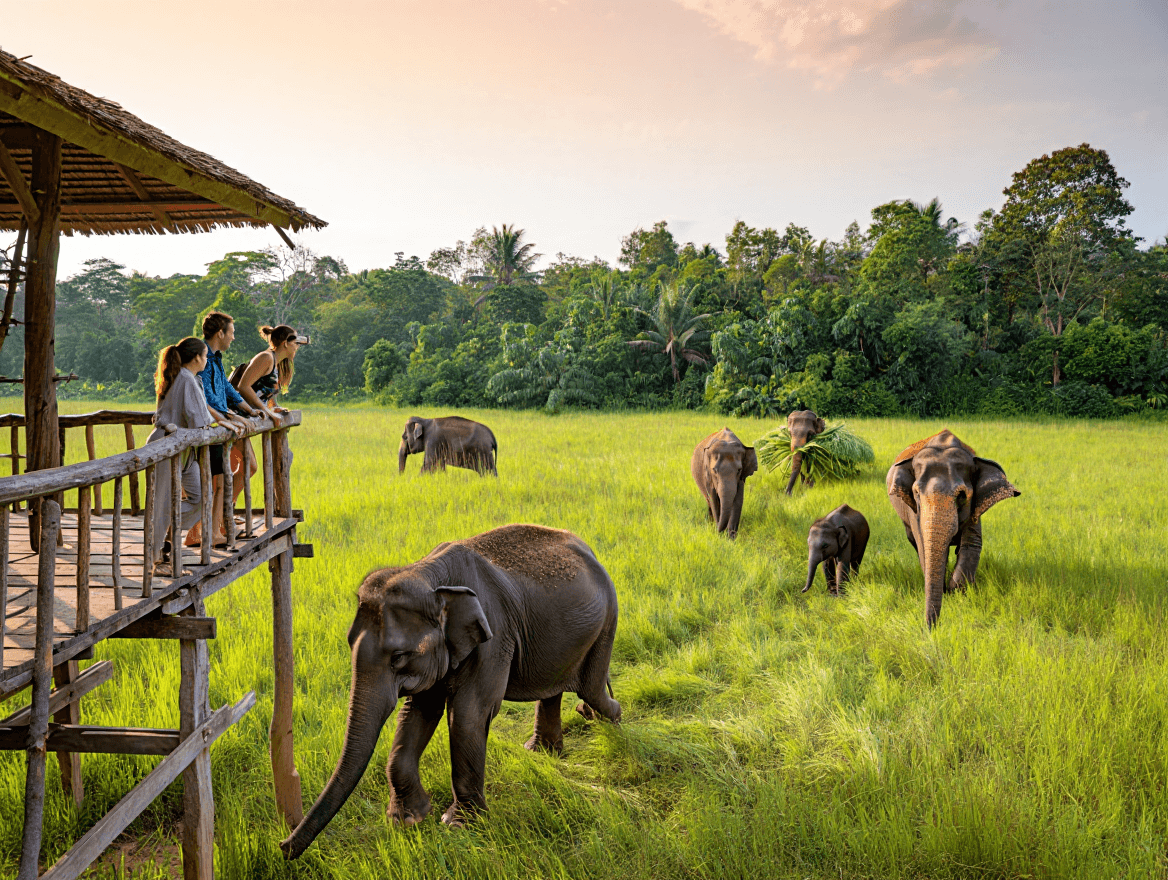
Thailand’s national parks protect rainforests, limestone mountains, waterfalls, coral reefs, islands, caves, and wildlife habitats. They are some of the best places in the country for travelers who want nature without relying on animal shows or staged experiences. They also need careful behavior from visitors, especially during busy holiday periods and the hot months around April.
The first rule is to check official park status before making plans. Thailand’s park system uses seasonal closures for safety and ecological recovery. The Tourism Authority of Thailand has explained that closures vary by park and attraction, often because rainy months can create unsafe conditions and because sensitive areas need time to recover. That means a famous beach, cave, trail, or island may be closed even when the wider province remains open.
Do not treat closures as a travel inconvenience. They are part of conservation. Marine parks need breaks from boats, swimmers, anchors, and foot traffic. Forest trails need recovery after storms, erosion, and heavy use. If your chosen area is closed, choose an open alternative rather than pushing local operators to bend rules.
Once inside a park, responsible travel becomes practical. The Department of National Parks has published basic visitor rules that include staying on designated routes, not feeding wildlife, avoiding loud noise after 22:00, and not lighting bonfires. These rules are not decoration. Feeding monkeys, deer, fish, birds, or turtles can change animal behavior, increase aggression, spread disease, and create dependency on tourists.
Waste is another major issue. Bring a refillable bottle, reusable cutlery if needed, and a small dry bag for your rubbish. Thailand has restricted single-use plastics and foam containers in national parks, and visitors should plan around that. Do not assume a ranger, guide, or boat crew will clean up after you. Anything you carry in should be carried out.
Wildlife viewing works best when you stay quiet and keep distance. In some parks, including Khao Yai, wild elephants may appear near roads. If that happens, follow ranger instructions, do not use flash, do not approach, and never leave food visible. TAT’s wild elephant safety guidance tells travelers not to take close-up photos, follow elephants, or attract wildlife with food.
Choose guides when the terrain, wildlife, or weather calls for it. A good local guide helps you avoid closed paths, unsafe caves, poor trail choices, and behavior that damages habitat. For night walks, jungle trails, and wildlife viewing, guides can also reduce risk and help visitors understand what they are seeing without disturbing animals.
April is a useful month to publish this guidance because heat, domestic holidays, and festival travel can increase pressure on popular sites. Bring sun protection, water, light clothing, and patience. Crowds are part of the season. Responsible travelers avoid shortcuts, avoid drone use unless clearly allowed, and keep noise low even when visiting with groups.
If you are planning several nature stops, start with the basics: check official closure updates, choose parks that match the season, book ethical operators, and follow posted rules. For wildlife-specific choices, begin with our guide to ethical elephant tourism in Thailand. Parks are not theme parks. They are protected areas, and the best visitor is the one who leaves less trace than expected.
Photography should never override rules. Do not cross barriers, fly drones without permission, block roads for wildlife, or step into restricted areas for a cleaner frame. The best park photo is the one taken without changing animal behavior or damaging a place.