Thailand Rainy Season Eco Travel Guide
A clear guide to responsible rainy-season travel in Thailand, including safer transport, park access, practical packing and flexible planning.
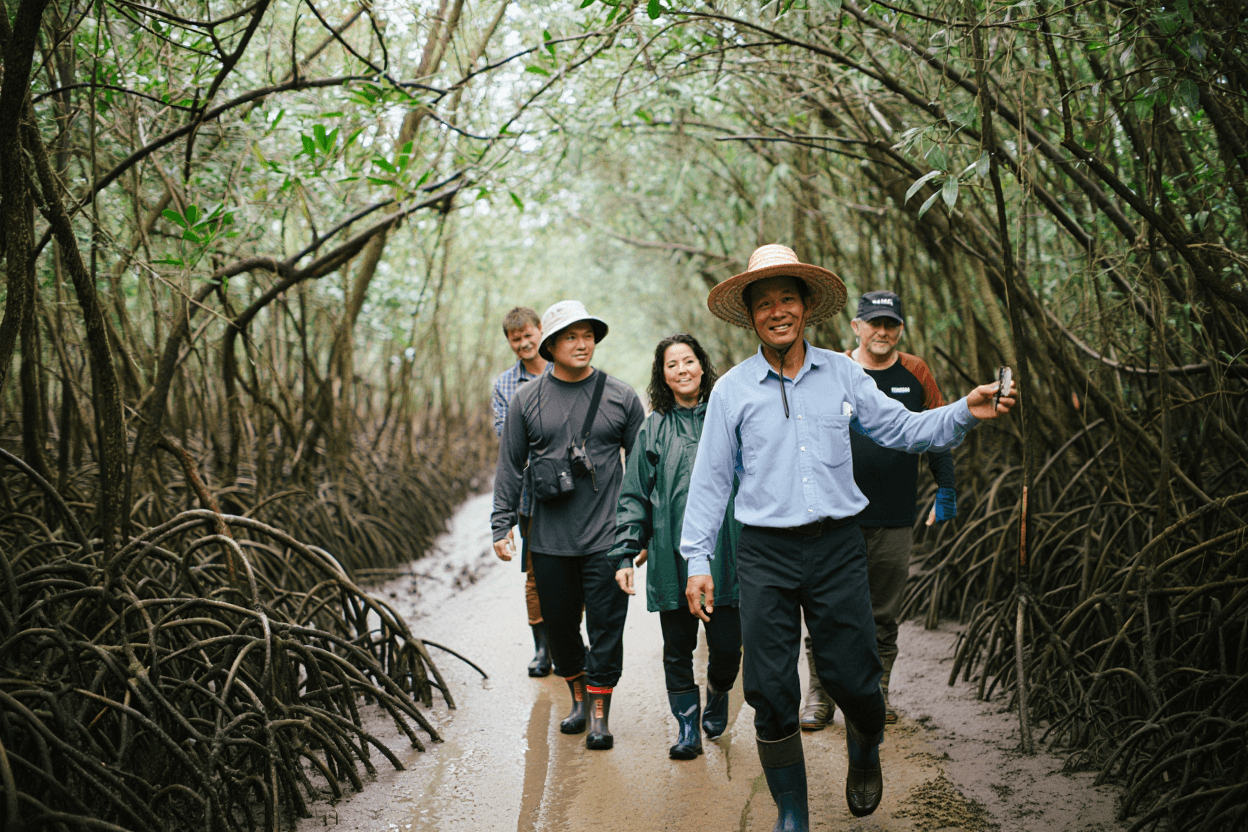
Thailand’s rainy season usually changes the way travelers should plan nature trips. It does not mean the country closes, and it does not mean every day is washed out. It does mean that responsible travel requires more flexibility, better safety checks, and more respect for seasonal closures. For an eco-focused Thailand trip, May is the right time to adjust expectations before booking islands, parks, caves, and jungle routes.
The Tourism Authority of Thailand describes the country’s weather as shaped by monsoons, with about six months of rain, three months of cooler dry weather, and three months of heat. The average temperature range is wide, from around 18 to 38°C. In practical terms, May often marks the start of wetter planning for much of the country, especially in central, northern, and Andaman-side destinations.
Rainy season can be good for responsible travel when handled well. Waterfalls are stronger, forests feel greener, and some destinations are less crowded. Local businesses outside peak season may also benefit from steadier visitors. But the same season can bring slippery trails, flash floods, rough seas, leeches, poor visibility, and temporary closures. The responsible choice is not to force the original plan. It is to plan with conditions.
Start with national parks. Thailand closes some attractions each year based on weather, safety, and ecological recovery. Before visiting beaches, marine parks, caves, or mountain trails, check current park notices and recent local updates. If a cave is closed after rain, do not look for an informal guide who says it is still possible. Cave flooding can turn quickly. A cheap shortcut is not worth the risk.
For marine trips, be careful with speedboat tours during unsettled weather. If waves are high or visibility is low, snorkeling and island hopping can become unsafe and environmentally damaging. Boats may anchor poorly, tourists may step on coral in rough water, and guides may rush groups through sensitive areas. Choose operators that cancel or reroute when conditions are poor. A company that never cancels is not automatically reliable.
Rainy season packing should be simple and low-waste. Bring a reusable water bottle, quick-dry clothing, a lightweight rain jacket, reef-safe sun protection for coastal areas, and a waterproof pouch for electronics. Avoid disposable ponchos if possible. They tear easily and add plastic waste, especially in parks and islands where collection is harder.
Road travel also needs caution. Mountain roads near Chiang Mai, Mae Hong Son, Khao Sok, and other nature areas can be slower during heavy rain. Leave more time between transfers. If you plan a train route, book with some buffer instead of stacking a night train, van transfer, and boat connection too tightly.
Rainy season is also a good time to choose community-based tourism, homestays, food workshops, low-impact city walks, and cultural visits when outdoor conditions are unstable. These experiences can support local income without putting extra pressure on trails, reefs, or wildlife.
If this is your first responsible Thailand trip, read our national parks guide before setting your route. Rain is not the problem. Poor planning is. A good rainy season itinerary protects your safety, respects closures, and gives nature space when it needs recovery.
Insurance is another practical part of rainy season planning. Make sure your policy fits the activities you will actually do, including trekking, boats, or cycling if relevant. Responsible travel includes protecting local guides and hosts from problems caused by poorly prepared visitors.