How to Choose a Community Homestay in Thailand
Assess ownership, privacy, cultural respect and fair distribution of income before booking a community homestay or village-based travel experience.
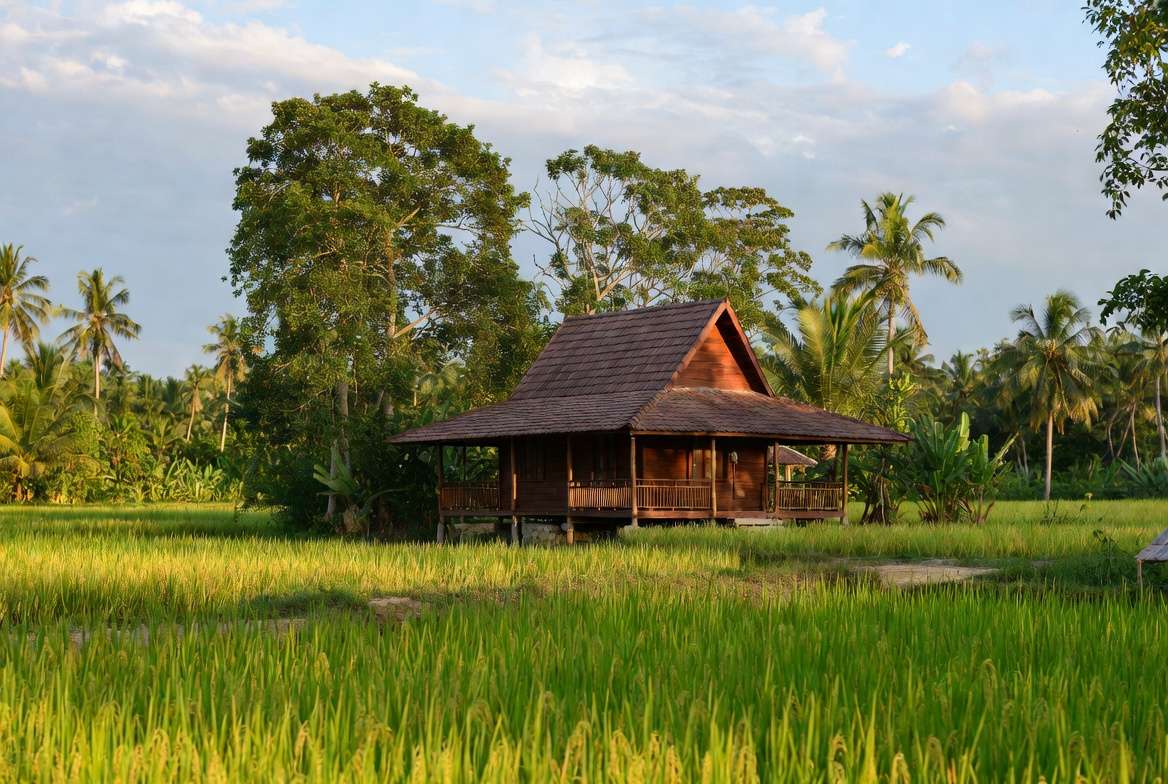
A community homestay can direct money to households, create work for local guides and give travellers a better understanding of daily life. It can also become staged, intrusive or unfair when an outside company controls the guests and residents receive only a small payment. The word homestay does not guarantee community benefit.
Responsible selection starts with ownership, consent and clarity. You should know who hosts you, what the stay includes, which spaces are private and how money is distributed. Comfort may be simple, but safety, dignity and honest communication should never be optional.
What counts as a genuine homestay?
In a household homestay, guests sleep in or beside a family home and interact with hosts to an agreed degree. Some community programmes rotate visitors among several households. Others use a small lodge owned collectively. All can be valid, but the description should match reality.
Be cautious when a large resort uses “homestay experience” for a short village visit. Ask whether accommodation is owned by residents and whether the host family chooses when to participate.
Follow the money
Request a breakdown of what is included: room, meals, guiding, transport, activities and booking commission. The operator may not provide exact household income, but it should explain the payment model. Community funds can support shared infrastructure, while direct household payments reward hosting work. A balanced programme may use both.
Do not assume booking directly is always possible or fair. A cooperative may need central scheduling to distribute guests evenly. Use the method the community identifies as official.
Consent includes the right to privacy
Ask which areas of the home are available, when photographs are allowed and whether children may be included. Do not enter kitchens, bedrooms, farms or religious spaces without invitation. Turn off location tagging if hosts request privacy.
A family accepting payment has not sold unlimited access to its life. They may want quiet time, attend work or leave guests with another community member. Respect those boundaries.
Facilities: simple is not the same as unsafe
Clarify sleeping arrangements, mosquito protection, toilets, bathing, drinking water, electricity and emergency access. Travellers with mobility or health needs should ask detailed questions. Hosts should not be expected to guess requirements.
Basic facilities can be comfortable when clean and well explained. Romanticising poor sanitation as authentic is disrespectful. A responsible programme invests in safety without forcing every home to resemble a hotel.
Food and household routines
Tell hosts about allergies well in advance and distinguish medical needs from preferences. Shared meals are a chance to learn, but do not expect every dish to be altered. Help with cooking only when invited, and follow hygiene instructions.
Use water carefully, particularly where storage is limited. Ask how waste is separated and carry difficult items such as batteries away. Our sustainable food guide explains portion, packaging and market etiquette.
Activities should not be performances on demand
Farming, fishing, weaving and cooking demonstrations involve skilled work. Participants should be paid, schedules should suit them and visitors should not pressure people to repeat tasks for photographs. Ask whether crafts are made locally and pay fair prices.
Avoid programmes that include captive wildlife handling, school visits or access to children as selling points. Community tourism does not make harmful activities acceptable.
Questions before booking
Who owns and manages the homestay programme?
How are households selected and rotated?
Which part of the fee goes to hosts and community projects?
What are the photography and privacy rules?
How are complaints handled by guests and residents?
What safety, hygiene and emergency systems are in place?
Can residents pause or leave the programme without penalty?
Homestays in ethnic communities
When staying in a minority community, use the group’s specific name where appropriate and avoid stereotypes. The principles in our ethical hill tribe tourism guide apply: consent, fair payment, careful photography and respect for modern life.
Do not expect traditional clothing, ceremonies or storytelling on demand. Ask how hosts prefer their community to be described online.
Reviews can reveal the wrong expectations
Read reviews for practical details, but recognise cultural bias. A complaint that hosts did not entertain guests constantly may indicate healthy boundaries rather than poor service. Repeated reports of surprise fees, unsafe transport or intrusive group visits deserve more concern.
Look for reviews that name local guides and explain what guests learned. Avoid choosing solely on highly staged photographs.
Your behaviour affects future guests
Arrive at the agreed time, pay promptly and communicate changes. Dress according to local advice and keep noise low. Do not give direct gifts to children. If you want to contribute, ask the cooperative what is useful and whether cash, materials or no gift is preferred.
Share feedback privately before posting a public complaint that could affect an entire community. Serious safety or exploitation concerns should still be reported accurately.
A good homestay is an exchange with limits
You should leave with greater understanding, while hosts retain control over their home, image and time. The most polished programme is not necessarily the best; transparency and resident authority matter more than decorative eco claims.
Choose a stay where the payment model is clear, private spaces remain private and activities have local purpose beyond tourism. Accept modest comfort without romanticising hardship. A responsible homestay works because both guest and host know what they are agreeing to.