Sustainable Food Choices While Travelling in Thailand
Make better food choices by supporting local vendors, reducing packaging and waste, and asking practical questions about seafood and ingredient sourcing.
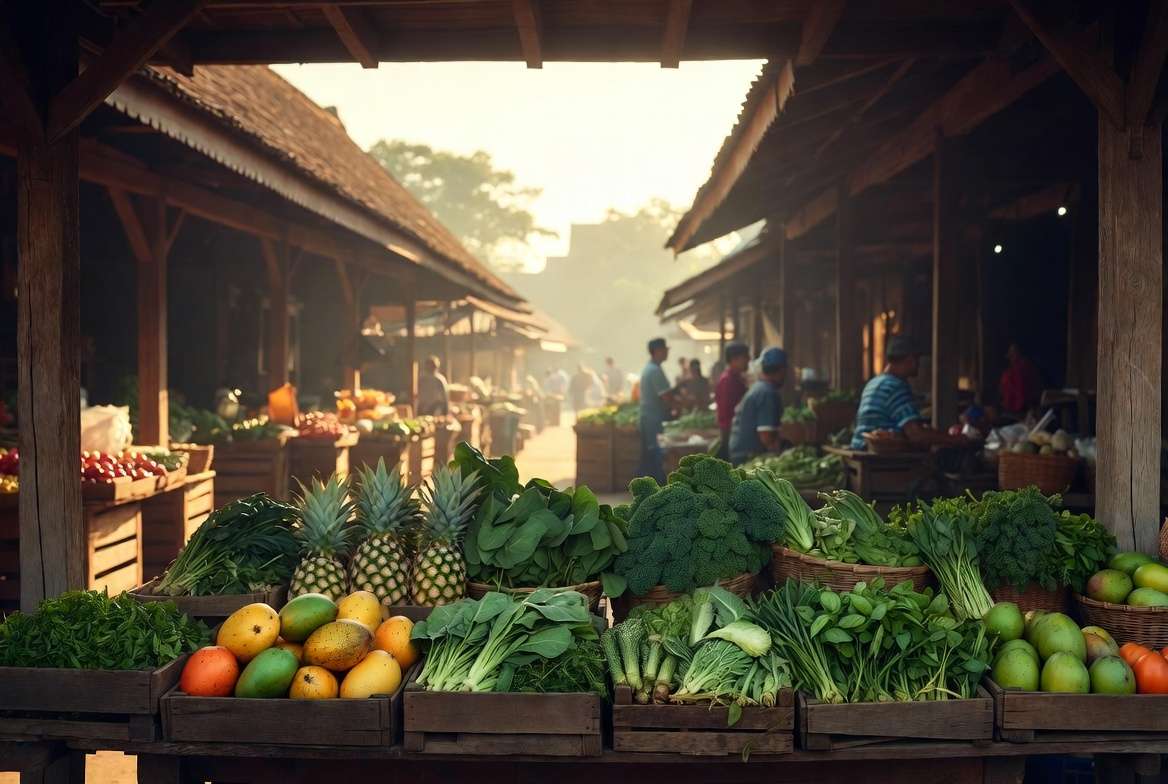
Food is one of the easiest ways to support local businesses in Thailand, but responsible dining involves more than choosing a restaurant with bamboo straws. Ingredients, packaging, food waste, seafood sourcing, worker conditions and transport all matter. Travellers will not have perfect information at every meal. The practical goal is to make repeatable choices that reduce waste and keep more spending in local food economies.
Street stalls, markets, family restaurants and regional producers can all provide good options. “Local” is not automatically sustainable, and an expensive plant-based café is not automatically better than a simple rice shop. Look at the whole meal: what you order, how much, how it is served and what remains afterwards.
Eat where local people actually run the business
Independent restaurants and market stalls often retain more of each payment locally than an international chain. Ask your accommodation staff where they eat, then verify opening times and hygiene conditions. Busy stalls with high turnover can be a good sign, but popularity alone does not guarantee safe handling.
Do not turn a small vendor into a photo subject before becoming a customer. Ask permission, order clearly and avoid holding up the queue for content. If prices are displayed, pay them. Bargaining over prepared food is generally inappropriate.
Plant-forward meals are easy to find, but language matters
Thai cuisine includes many vegetable, tofu, rice and noodle dishes, yet fish sauce, shrimp paste, oyster sauce and meat stock may be used even when no meat is visible. Travellers with dietary requirements should learn clear phrases, carry a translation card and explain allergies separately from preferences.
Choosing more plant-based meals can reduce pressure associated with animal products, but do not expect every small kitchen to prevent cross-contact. Be respectful when a dish cannot be adapted. A market meal based on rice, vegetables and tofu can be both affordable and low-waste when served on reusable plates.
Order less before ordering more
Shared meals make it tempting to order a wide table for photographs. Start with fewer dishes and add more if needed. Food waste has already consumed land, water, energy and labour before it reaches the bin. Buffets are especially easy places to take too much.
Use leftovers when safe. Ask for a container only if you can refrigerate and eat the food soon. Carrying a reusable container can help, but it must be clean and suitable for hot food. Do not create more waste by collecting leftovers that will be discarded later.
Seafood needs extra questions
Thailand has major fishing and aquaculture industries. Species, capture methods, seasons and supply chains can be difficult for a traveller to verify. Avoid threatened wildlife, unusually small animals and restaurants that display live protected species as attractions. Ask what the fish is and where it came from, while accepting that staff may not know every detail.
Choose a varied diet rather than repeatedly ordering large predatory fish or novelty seafood. Do not buy shark fins, seahorses, shells or coral products. At coastal restaurants, local sourcing claims should be specific enough to name a port, fisher group or farm.
Packaging can outweigh the convenience
Takeaway drinks and delivery meals can produce cups, lids, bags, cutlery and condiment packets. Eat in when possible. Carry a reusable bottle, bag and cutlery set, but do not hand an unsuitable container to a vendor during a busy service.
Learn simple requests such as no straw, no bag or no cutlery. Refuse items before they are packed; returning them afterwards may not prevent disposal. Markets often bundle several small purchases into separate plastic bags, so show your reusable bag early.
Water refill without taking health risks
Reducing plastic bottles is useful only when the refill source is safe. Use filtered water provided by reputable accommodation, refill stations or sealed systems with clear maintenance. Do not drink untreated tap water simply to avoid packaging.
Carry a durable bottle that can be cleaned. If you must buy bottled water, choose a larger container for refilling rather than many small bottles, where practical. Health comes first; sustainability does not require taking unsafe risks.
Cooking classes: questions before booking
Who owns and teaches the class?
Does the market visit involve respectful purchasing or only photography?
Can the class accommodate allergies safely?
What happens to unused ingredients and prepared food?
Are participants given reusable aprons, dishes and containers?
A small locally run class can provide useful context on herbs, farming and regional cuisine. Avoid classes that include captive animal attractions or staged village access as extra entertainment.
Seasonal and regional food makes travel more specific
Look beyond the same national dishes in every destination. Northern, Isan, central and southern cuisines use different herbs, techniques and staple foods. Seasonal fruit can be excellent, but buy quantities you can finish and dispose of skins appropriately.
In Chiang Mai, our responsible city guide suggests using markets and neighbourhood businesses as part of a lower-impact stay. The principle applies across Thailand: eat in ways that reveal where you are.
Do not confuse perfection with progress
Travellers sometimes become so focused on finding a certified ethical restaurant that they default to international chains. A better approach is to ask a few practical questions, choose modest portions, reduce packaging and return to businesses that handle food and staff well.
Combine meals with the route-planning ideas in our low-impact transport guide. Walking to a nearby family restaurant can be a better overall choice than arranging a private car to a heavily marketed eco-café.
A responsible meal still needs to be enjoyable
Responsible travel should deepen your relationship with food rather than turn every menu into an audit. Try regional dishes, ask respectful questions and notice the labour behind a market, farm or kitchen. Tip according to local norms and service rather than using money to ignore poor behaviour.
The most useful habits are simple: eat locally owned where practical, order what you can finish, carry reusable basics, avoid wildlife products and treat vendors as people rather than scenery. Repeated across a trip, those choices matter more than one photogenic “sustainable” meal.