Responsible Travel Guide to Chiang Mai
Plan a lower-impact visit to Chiang Mai through responsible wildlife choices, local transport, community-run activities and respectful cultural experiences.
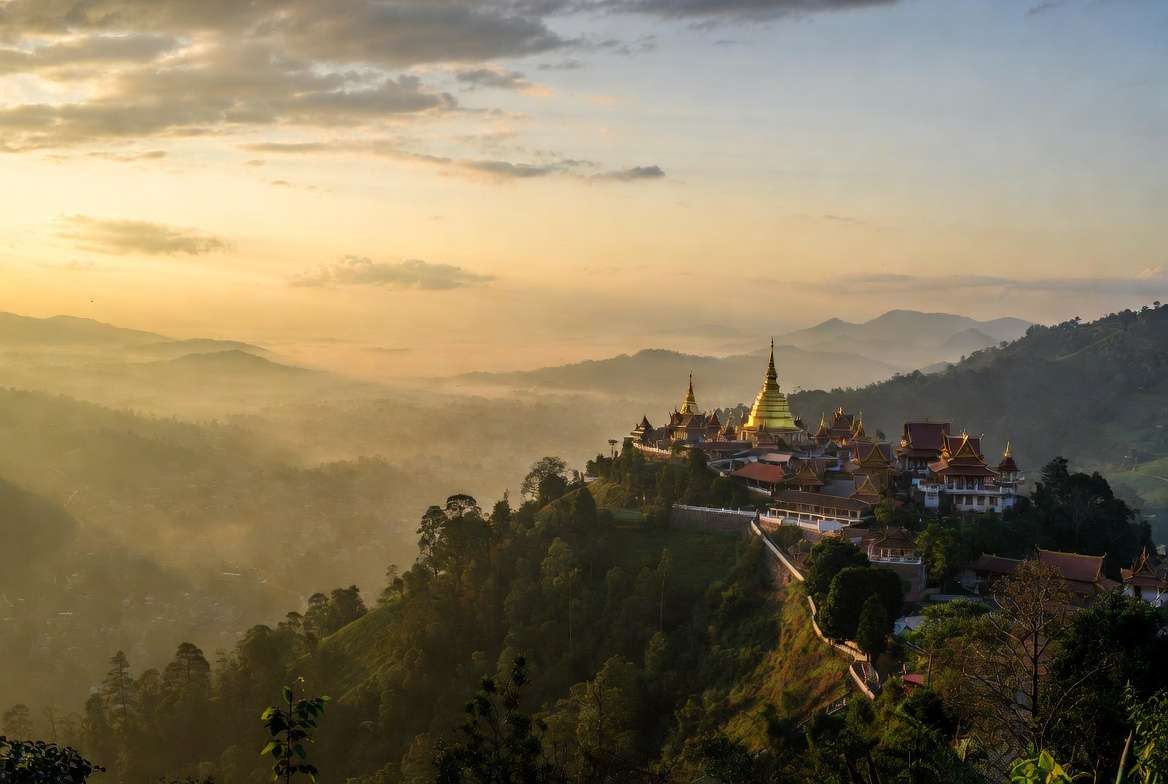
Chiang Mai combines an old walled city, Buddhist temples, markets, universities, mountain landscapes and a large tourism economy. It is also a place where visitors can easily support harmful animal attractions, contribute to traffic and waste, or treat neighbouring communities as photo stops. Responsible travel here is less about finding one perfect “eco” experience and more about making better choices across transport, food, accommodation and activities.
Early October often sits near the end of the wet period in northern Thailand. Conditions can still change quickly, so check the Thai Meteorological Department before mountain trips. Trails may be wet, waterfalls strong and rural roads affected by recent rain. Keep plans flexible rather than assuming the dry-season timetable has already begun.
Choose the right base
The Old City is convenient for temples and walking, but it is not the only place to stay. Santitham, Wat Ket and areas near local markets can provide easier access to everyday businesses and reduce repeated cross-city journeys. Nimman has many cafés and hotels, yet congestion and short-term rental pressure are concerns in some streets.
Before booking, look at the full location rather than a property’s marketing map. A hotel outside town may require taxis for every meal. A simple guesthouse near public transport and local restaurants can create a lower-impact stay than an isolated resort with green branding.
Move around without adding unnecessary traffic
Within the central area, many sights are walkable, though heat, uneven pavements and traffic require care. Red songthaews operate as shared transport, but routes and fares can be informal. Ask your accommodation for typical prices and agree before a private journey. Cycling works on quieter routes for confident riders, but major roads are not suitable for everyone.
Use ride-hailing or taxis when they improve safety or accessibility. Combine stops by area rather than crossing the city several times. For longer journeys, our guide to lower-impact transport in Thailand explains how rail, coaches and shared transfers can fit into a broader itinerary.
Visit temples as active religious spaces
Wat Chedi Luang, Wat Phra Singh and smaller neighbourhood temples are places of worship, not sets for travel photography. Cover shoulders and knees, remove shoes where instructed and keep your feet pointed away from Buddha images. Do not interrupt ceremonies or photograph monks without permission.
Read our practical Thai temple etiquette guide before visiting. Hiring a licensed local guide can add historical context and direct money towards skilled interpretation rather than quick photo stops.
Be critical of elephant and wildlife attractions
Chiang Mai is one of Thailand’s main centres for elephant tourism. Avoid riding, performances and venues built around repeated bathing, hugging or close-contact photographs. Sanctuary language alone is not proof of welfare. Look for observation-led programmes, large living areas, transparent veterinary care and the ability of elephants to move away from visitors.
The same caution applies to tiger venues, monkey shows, exotic-pet cafés and wildlife photo opportunities. Wild animals should not be handled for entertainment. A distant sighting in protected habitat is a better outcome than guaranteed contact in captivity.
Responsible trips into the mountains
Doi Suthep is easily reached from the city, but traffic and crowding build around peak periods. Share transport and avoid leaving rubbish at viewpoints. Doi Inthanon and other mountain areas deserve more than a rushed checklist tour. Use licensed guides where required and respect trail closures.
Village visits should be arranged with community consent and clear payment. Do not photograph people or homes automatically. Our responsible trekking guide covers wet-season safety, group size and respectful village visits in more detail.
Spend through local food and craft economies
Markets are one of the easiest places to distribute spending. Buy cooked food, fruit and everyday products from small vendors, while carrying a reusable bag and refusing unnecessary packaging. Ask before photographing stallholders. If a price is clearly displayed, do not bargain simply because you assume every market purchase should be negotiated.
For crafts, ask where an item was made and by whom. Night markets contain both local work and mass-produced goods. Workshops can provide better context, but check that the craftsperson controls the activity and receives the fee.
Air quality is a seasonal responsibility
Chiang Mai and the wider north can experience serious air pollution during the late dry season, often associated with fires, agricultural burning and weather conditions. October is usually outside the worst period, but future travellers should check current air-quality data rather than relying on old monthly averages.
People with respiratory or cardiovascular conditions should seek medical advice and adjust plans when pollution is high. Do not promote mountain viewpoints as guaranteed during smoky periods, and avoid blaming individual farmers for a complex regional problem.
Questions to ask accommodation providers
Can guests refill drinking water safely?
How is waste separated and collected?
Are staff employed directly and trained for advancement?
Which food and services are bought locally?
Can the property arrange shared transport rather than private cars?
Use our eco-hotel greenwashing checklist to test broad sustainability claims.
A realistic three-day structure
On the first day, walk a compact section of the Old City with time for temples and a local market. On the second, take a guided cultural, food or craft experience that operates with small groups. Use the third for a mountain or nature trip only if weather and road conditions are suitable. Staying longer allows you to add neighbourhoods without rushing.
Chiang Mai rewards attention. You do not need an elephant selfie, a packed temple list or a distant village visit to understand the city. Use local transport, pay for knowledgeable guides, spend with independent businesses and allow mountain conditions to set the pace. That approach produces a more honest experience and leaves more value in the places you came to see.