Koh Lanta Slow Travel Guide
Stay longer, travel less and support local businesses while experiencing Koh Lanta’s beaches, communities and marine environment at a slower pace.
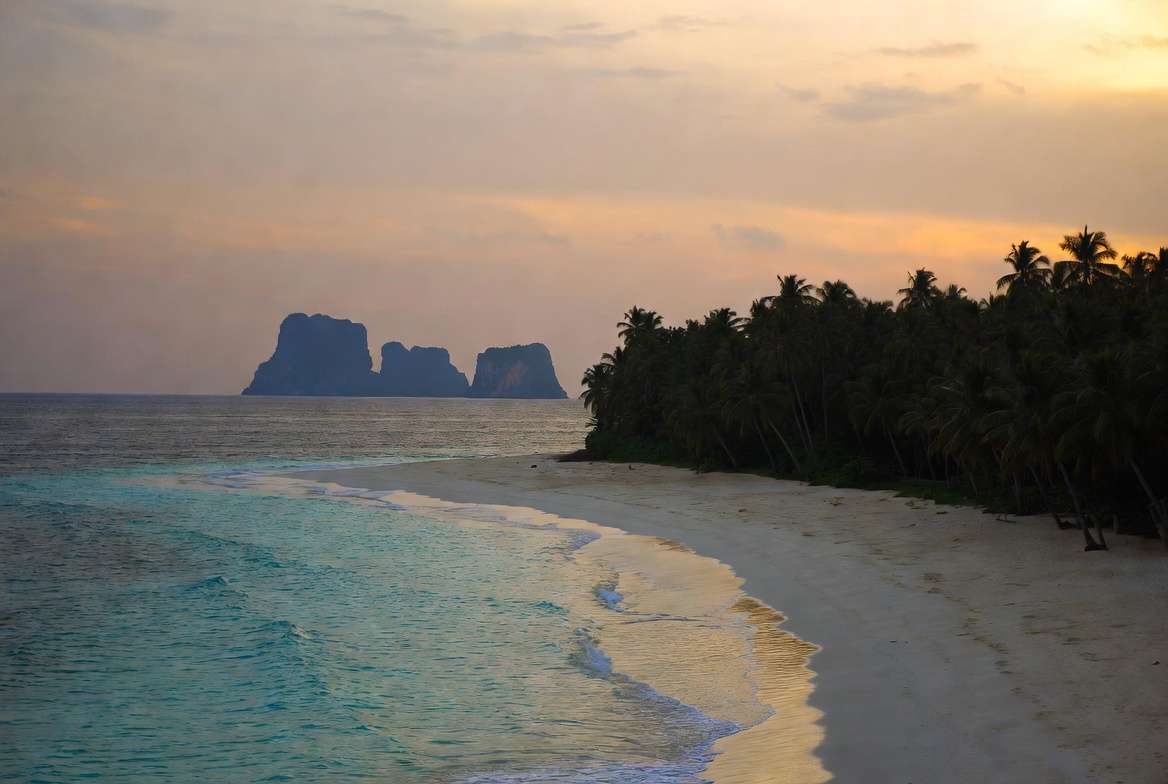
Koh Lanta is often described as a quieter alternative to Thailand’s busiest islands. That reputation is relative. Popular beaches, boat trips and road traffic still create pressure during the dry season, while smaller communities and marine areas depend on tourism income. Slow travel offers a practical response: stay longer, move less and spend beyond the most visible beachfront businesses.
Mid-November usually marks the start of a busier and generally drier period on the Andaman coast, but sea conditions can remain unsettled. Check the Thai Meteorological Department and local ferry information. Do not treat a seasonal average as a guarantee.
Stay in one area long enough to understand it
Koh Lanta Yai stretches over a significant distance. Repeated trips between the north, central beaches, Old Town and the south add fuel use and road risk. Choose a base based on the activities you actually plan to do. Northern beaches offer easier access to the mainland, while southern areas place you closer to the national park but farther from many services.
A week in one or two bases can feel more relaxed than three nights spent trying to cover the entire island. Walk to nearby restaurants, use shared transfers and plan one longer outing rather than crossing the island every day.
Transport without assuming a scooter is essential
Motorbikes are widely rented, but unfamiliar roads, rain, sand and limited night visibility create serious risks. Do not rent without the correct licence, insurance, helmet and experience. A scooter is not responsible simply because it uses less fuel than a car.
Ask accommodation providers about shared songthaews, taxis, bicycle suitability and grouped transfers. Combine visits to Old Town and the east coast rather than arranging separate private rides. Our low-impact transport guide provides a wider framework for choosing between shared and private travel.
Support businesses beyond the beach
Lanta Old Town, roadside food shops, local markets and community enterprises provide ways to direct spending more widely. Ask where crafts are made and who owns an excursion. Choose food businesses that use reusable plates and manage takeaway packaging carefully.
Sea gypsy communities, including Urak Lawoi people, have long histories and current land and livelihood concerns. Do not enter residential areas as if they were displays. Visit only through respectful, community-approved activities and ask before photographing anyone.
Choose boat trips with restraint
Island-hopping and snorkelling trips vary in group size, speed and environmental practice. Ask whether the operator uses moorings, prohibits fish feeding and gives an environmental briefing. Smaller boats are not automatically better if several make the same route or chase wildlife.
Use the standards in our responsible snorkelling and diving guide. Do not stand on coral, touch marine life or collect shells. Accept site changes when currents, weather or park rules require them.
Mu Ko Lanta National Park
The national park includes land and marine areas. Follow opening times, trail guidance and swimming warnings. Do not feed macaques around parking or picnic areas, and keep food out of sight. The lighthouse viewpoint is not a reason to cross barriers or approach cliff edges.
Take all waste back if bins are full. Avoid loud music and drones. Check official park announcements because seasonal access can change.
Water, waste and island limits
Islands have limited space and infrastructure for waste. Refill water from safe sources, refuse unnecessary plastic and choose accommodation that can explain where rubbish and wastewater go. A recycling claim is only useful if materials have a working route off the island.
Use water carefully during dry periods. Reusing towels helps, but accommodation systems matter more: leak control, efficient fixtures, wastewater treatment and responsible landscaping. Apply the questions in our greenwashing checklist before booking.
Food choices with local value
Eat at family-run restaurants and markets, order what you can finish and ask about seafood without demanding certainty that staff cannot provide. Avoid threatened wildlife and souvenir products made from coral or shells. Our sustainable food guide offers practical ways to reduce packaging and waste.
Carry a reusable bag and container, but keep them clean. Refuse cutlery and straws before an order is packed.
A seven-day slow plan
Days one and two: Settle into one beach area, walk locally and learn transport options.
Day three: Visit Old Town and east-coast businesses in one grouped trip.
Day four: Keep a rest or weather-flex day.
Day five: Take one responsibly managed marine trip if conditions are suitable.
Day six: Visit the national park or join a locally run land-based activity.
Day seven: Spend close to your accommodation and prepare for onward shared transport.
Be realistic about “hidden” places
Publishing quiet beaches and small communities as secret locations can create sudden pressure. Avoid geotagging sensitive sites and do not promote private access points. If a place is quiet because it lacks infrastructure, that may be a reason to keep visits limited rather than advertise it widely.
Leave Koh Lanta at island pace
Slow travel is not staying in a resort for a week without engaging locally. It means reducing transfers, returning to the same small businesses, learning how the island works and accepting that weather controls marine plans.
Koh Lanta can offer a lower-density experience than some Thai islands, but that should not become an excuse for unlimited growth. Stay longer, use fewer vehicles and boats, spend across communities and treat beaches, reefs and villages as living places rather than a list to complete.