Where to See Wildlife Responsibly in Thailand
Find protected areas where Thailand’s wildlife can be observed naturally while respecting park rules, animal distance and realistic sighting expectations.
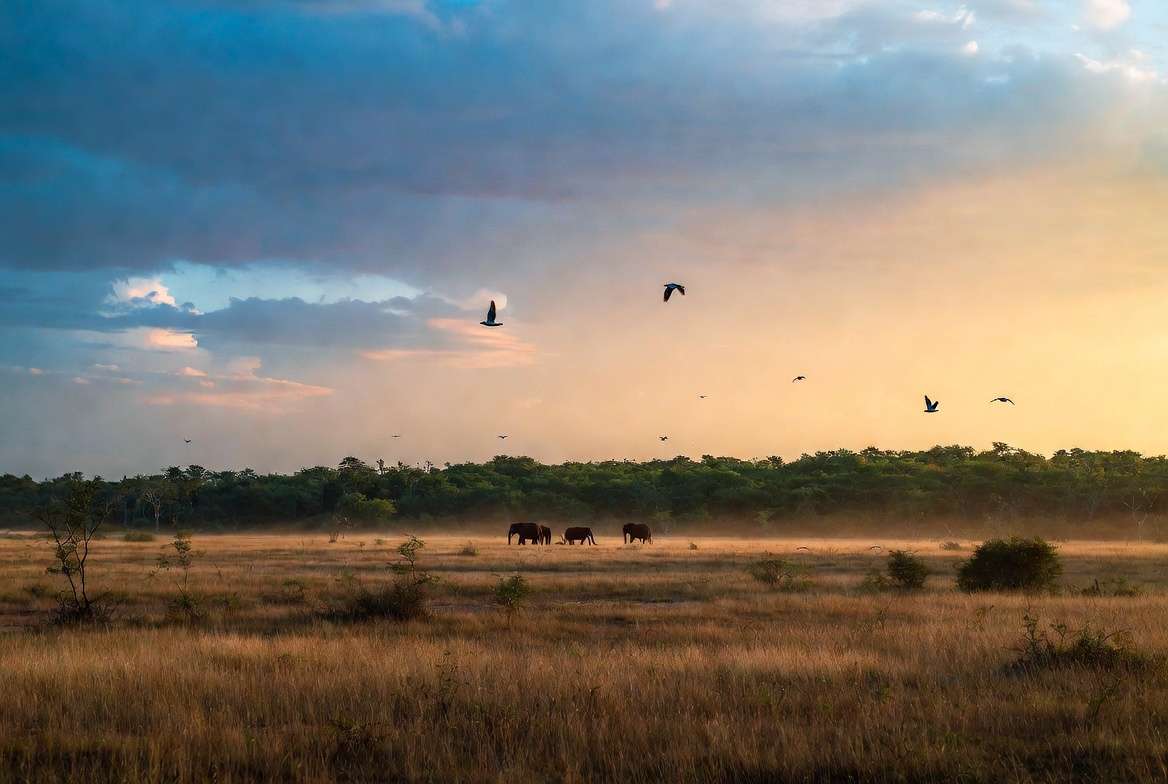
Thailand’s forests, wetlands, coasts and mountains support elephants, gibbons, hornbills, macaques, gaur, marine mammals and many smaller species. Seeing them responsibly requires a different mindset from visiting an attraction. Wild animals are not guaranteed, sightings may be distant and the best locations often have strict access rules.
Choose protected habitat, licensed guides and small groups. Avoid businesses that advertise handling, feeding or photographs with captive wildlife. The International Union for Conservation of Nature and Thailand’s Department of National Parks, Wildlife and Plant Conservation provide useful context on species and protected areas, but local park notices should guide the details of each visit.
Khao Yai: accessible forest with real limits
Khao Yai National Park is one of the country’s best-known wildlife areas and part of the Dong Phayayen–Khao Yai Forest Complex. Visitors may see hornbills, deer, macaques, gibbons and, with luck, elephants. Roads make parts of the park accessible, but they also create risks from speeding, crowding and people stopping in unsafe places.
Use a trained guide for walks and night activities. Do not leave a vehicle or approach an elephant unless rangers instruct you. Keep food secured, because feeding macaques and deer changes behaviour. Our guide on why monkeys should never be fed explains the conflict this creates.
Kui Buri: elephant viewing without a captive show
Kui Buri National Park is known for managed wildlife observation, particularly elephants and gaur. Viewing normally takes place with local guides and designated vehicles. This model can provide income to surrounding communities while controlling access.
No sighting is guaranteed. Choose operators that remain within official routes and viewing times. Keep voices low, stay inside the vehicle where required and accept binocular-distance encounters. A guide who refuses to chase an animal is doing the job properly.
Kaeng Krachan: biodiversity and careful access
The Kaeng Krachan Forest Complex is recognised by UNESCO for its biodiversity. Dense habitat supports many birds and mammals, but access, road openings and camping conditions can change. Check official information before travel and use guides familiar with current rules.
Birdwatching can be low-impact when groups stay on trails and avoid excessive playback. Repeated recorded calls may stress territorial birds and alter behaviour. Ask guides to use sound sparingly and never around nests.
Khao Sok: value the forest, not only large animals
Khao Sok offers rainforest, limestone landscapes and Cheow Lan Lake. Dense vegetation means large mammals may remain hidden. A successful visit can include tracks, calls, insects, plants and smaller wildlife. Our responsible Khao Sok guide covers cave safety, boat choices and rainy-season planning.
Do not support river operators that feed monkeys to create sightings. On lake trips, avoid loud music and boats that crowd the shoreline. Ask floating accommodation how it handles sewage and rubbish.
Wetlands and coastal birdlife
Thailand’s wetlands can be excellent for waterbirds and migratory species. Observation towers, boardwalks and community boat trips reduce the need to enter sensitive areas. Remain outside nesting zones and keep drones grounded unless explicitly permitted.
Use local guides who understand tides and seasonal movements. Early starts may improve sightings, but do not demand access through private fish ponds or farms without permission. Wildlife tourism must respect people’s working landscapes as well as animals.
Marine wildlife requires distance
Turtles, dolphins, whale sharks and reef species are vulnerable to crowding and pursuit. Choose operators that follow no-touch and no-feeding rules. Green Fins provides standards for responsible diving and snorkelling, which we explain in our marine tourism guide.
Do not assume an operator is responsible because it guarantees a sighting. Guarantees can encourage chasing, repeated approaches or artificial feeding. The animal should always have a clear route away.
How to identify a responsible wildlife guide
The guide sets expectations that sightings are uncertain.
Group size is small enough to control noise and movement.
Food, calls and bait are not used to attract animals.
Routes follow park rules and seasonal closures.
Guests receive safety and behaviour briefings.
The guide can explain ecology without inventing certainty.
Waste is carried out and wildlife locations are shared carefully.
Photography without harassment
Use a longer lens rather than moving closer. Avoid flash, especially at night or around nesting animals. Do not surround a subject with several photographers. If an animal changes direction, freezes, gives alarm calls or repeatedly looks at the group, increase distance.
Be careful when publishing precise locations of nests, dens or rare species. Geotagging can direct crowds or collectors to vulnerable sites. Share the protected area rather than exact coordinates.
Captive rescue centres need scrutiny
Some rescue organisations provide necessary lifelong care for animals that cannot return to the wild. Others use rescue language to sell handling and photographs. Ask whether breeding occurs, why visitors need contact and how animals spend time away from tours. Avoid performances and direct interaction.
For elephants, read the welfare questions in our detailed guide to elephant tourism. Observation in suitable habitat is usually preferable to bathing or riding.
The best sighting may be brief
Responsible wildlife watching rewards patience and attention. You might hear gibbons without seeing them, watch a hornbill cross the canopy for seconds or find elephant tracks after the herd has gone. Those are genuine encounters with animals making their own decisions.
Choose parks over entertainment venues, guides over bait and distance over contact. Your trip should fund habitat, local expertise and careful management. Wildlife does not need to perform for the visit to be worthwhile.